

動態
JUSTLEE Insights
Among fine sapphires, Kashmir is a standard unto itself. Its standing rests not on colour alone, but on a set of conditions no other origin can reproduce: a velvety glow found nowhere else, a deposit exhausted well over a century ago, and a natural state shaped entirely by geology, untouched by any human intervention.
This guide sets out what a Kashmir sapphire is, why it is so rare, how to recognise quality, and what a collector genuinely needs to understand before acquiring one.
What Is a Kashmir Sapphire?
A Kashmir sapphire is a natural sapphire from the core deposit in the Zanskar Valley of the Kashmir region, high in the Himalayas. Its enduring place at the summit of sapphire valuation follows from three conditions holding at once: a scarce origin, exceptional colour, and a supply that is almost entirely unheated.
Its colour is typically graded Royal Blue by the international laboratories — a pure blue at its heart, carrying the faintest violet undertone. But what sets Kashmir apart from other fine origins is not the name of the colour; it is the way that colour presents. The trade calls this quality velvety.
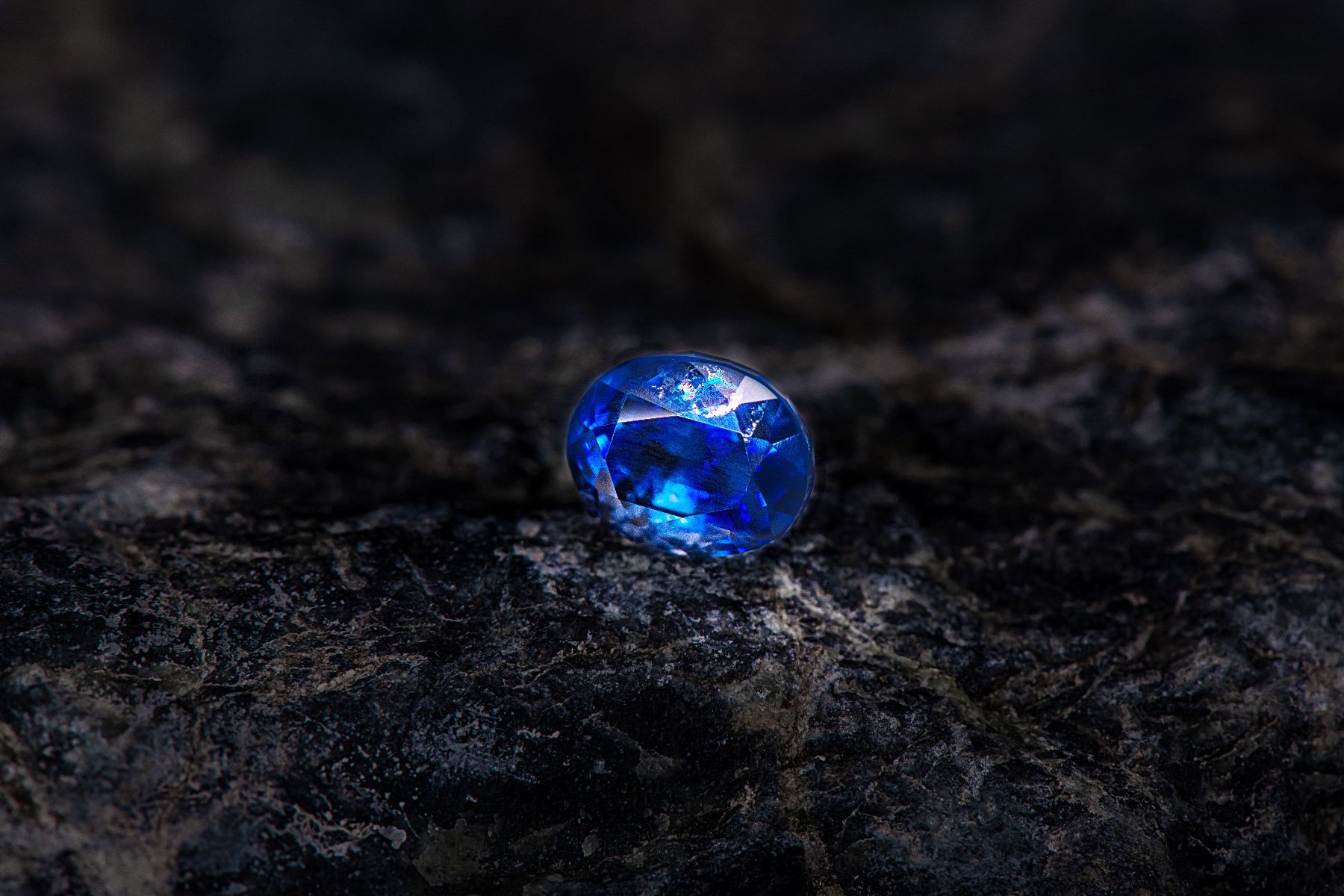
The Character of a Kashmir Sapphire: Colour, Crystal, and Velvety Glow
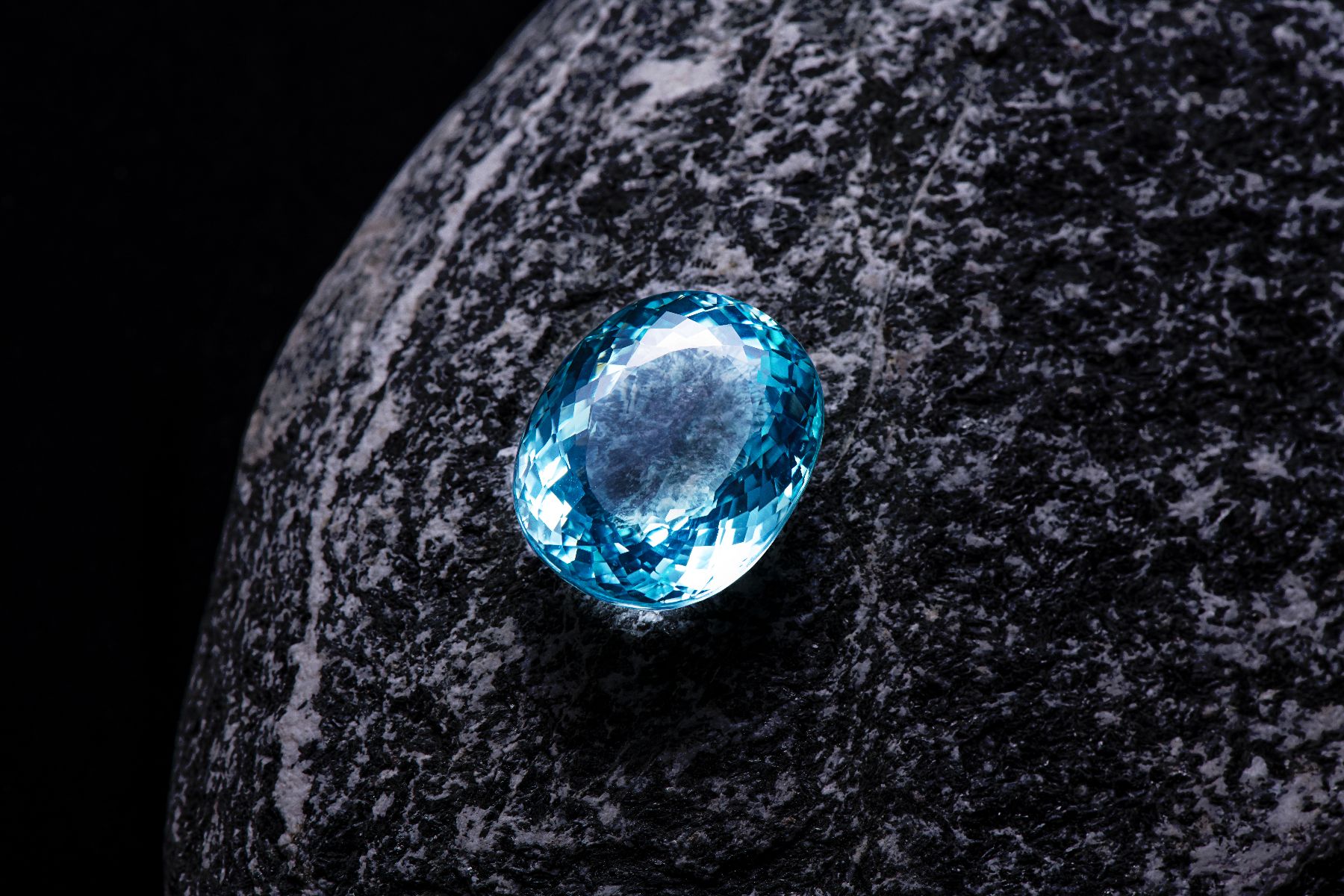
The most recognisable trait of a Kashmir sapphire is a soft, inward glow, light that seems to rise from within the stone, rather than the transparent or forceful blue of other origins.
This effect comes from exceptionally fine rutile silk inclusions within the crystal. These inclusions scatter the light entering the stone, giving the blue a soft, saturated depth that holds its colour and light even under low illumination — never harsh, never flat. This is the velvety glow unique to Kashmir.
What matters is that this optical quality cannot be reproduced by any human process. It is the product of slow crystallisation over millions of years under conditions specific to Kashmir, where the type, size, and arrangement of the inclusions together determine how the light diffuses. The finest Ceylon and Burmese sapphires may rival it in saturation, but they differ from Kashmir fundamentally in the quality of the light. Heat treatment can alter a sapphire's colour, yet it cannot recreate this glow in another stone, because the effect belongs to the natural structure of the crystal itself — it is not a question of colour.
For this reason, a Kashmir sapphire is described as a deep blue with a velvety character and graded Royal Blue, rather than the lighter, more transparent Cornflower Blue. Cornflower Blue is associated chiefly with Ceylon sapphires — a different visual language altogether.
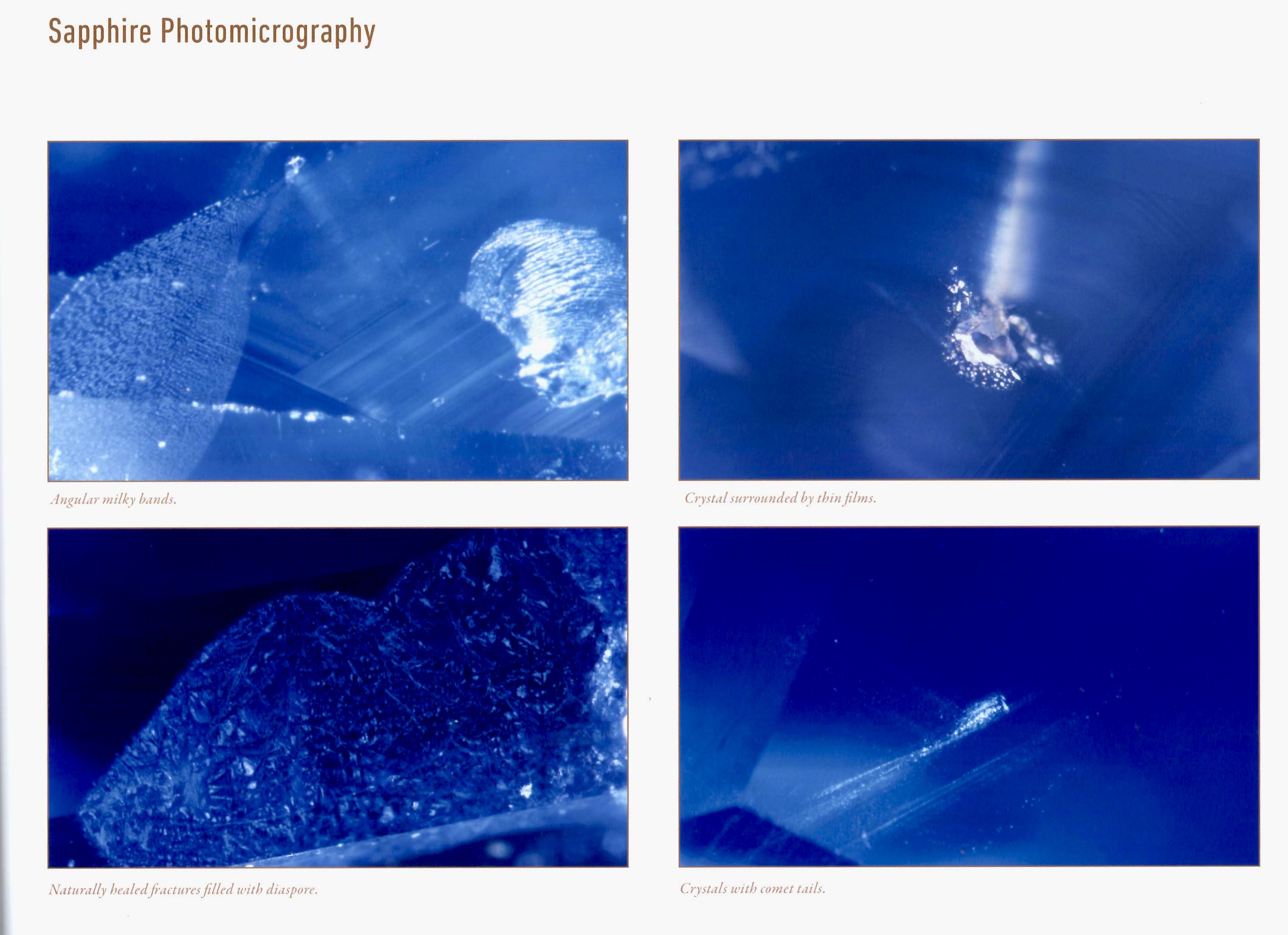
Why Is a Kashmir Sapphire So Rare? The Mine Is Closed
The rarity of a Kashmir sapphire is not a matter of market scarcity. It is physical: there is no new production. The deposit was uncovered around 1881 following a landslide and worked under the control of the local ruler. The veins, however, were extremely limited. The core source was intensively mined over the years that followed and was near exhaustion by the close of the nineteenth century; organised, high-quality extraction had effectively ended by the early twentieth, with no meaningful commercial output after the 1930s. In the century and more since, geologists and prospecting bodies have repeatedly searched the surrounding terrain for new veins, without success.
This means one thing plainly: every collectible Kashmir sapphire on the market today, without exception, traces to that brief extraction window of less than a decade. These are not goods a mine is still producing; they are a finite holding left behind by a closed geological chapter. With each change of hands, the total number does not grow — it only diminishes.
This is why Kashmir sapphires are a constant presence in the world's leading salerooms. The stone known as The Regent Kashmir — a 35.09-carat unheated Kashmir sapphire — appeared at Christie's three times across twenty-five years: New York in 2000, Geneva in 2015, and Hong Kong in 2025. In May 2025, it sold at Christie's Hong Kong for approximately US$9.5 million, or about US$271,515 per carat, setting a world auction record on a per-carat basis for any sapphire. A single stone surfacing and being re-priced by the market again and again is the most direct evidence of Kashmir's rarity: stones like this do not become more numerous.
For the full auction history of The Regent Kashmir, see: Why Are Kashmir Sapphires Ever Harder to Find? One Stone, Three Auctions in Twenty-Five Years
Result source: The Value, Christie's Hong Kong May 2025 sale analysis
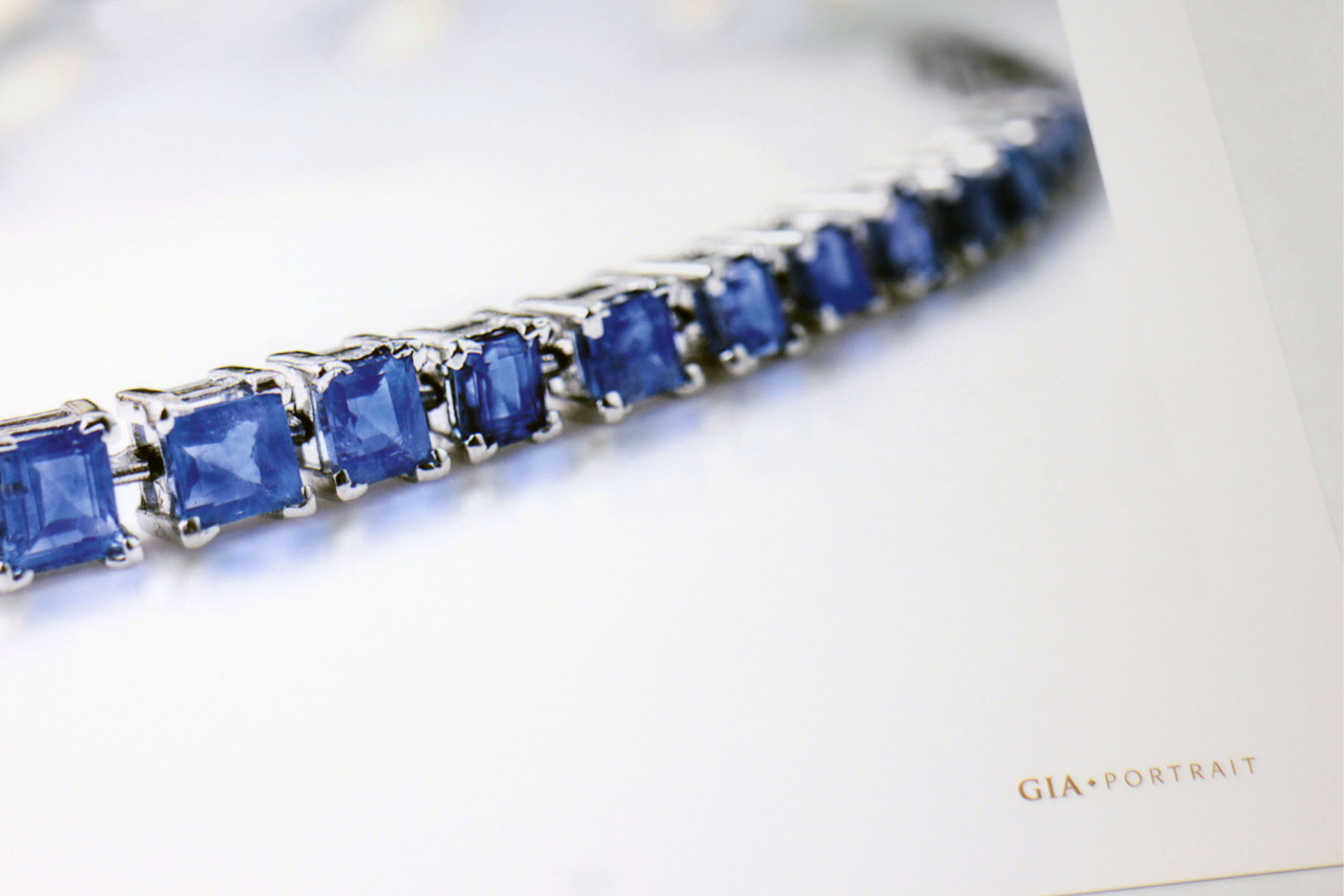
How to Recognise a Fine Kashmir Sapphire: Colour, Unheated Status, and Certification
Once the value of Kashmir is understood, what a collector needs to hold in mind are three separate dimensions, each assessed on its own terms.
Colour: Royal Blue Is a Grade, Not an Origin Label
The laboratories apply a single colour standard to Royal Blue, covering hue, saturation, and tone, and assess colour under a light source that simulates midday daylight. In principle, any sapphire that meets the standard, Burmese, Ceylon, or Madagascan, can receive a Royal Blue grade. The term describes colour, not provenance. What distinguishes Kashmir is that it reaches the Royal Blue range while also carrying the velvety glow that comes from its crystal structure.
Treatment: Unheated Status and Colour Grade Are Two Different Things
"Royal Blue" describes colour; “unheated”, no indications of heating, describes treatment status. They belong to entirely separate dimensions of assessment, yet they are the pairing most often confused in the market.
Heat treatment is a common and legitimate enhancement, using high temperature to improve a sapphire's colour and clarity. But heating is a one-way, irreversible process: once treated, a stone's colour is no longer as geology formed it. An unheated stone means its colour, its quality of light, and every visible characteristic remain exactly as they emerged from the earth over millions of years. Among sapphires graded Royal Blue, those that are also unheated are exceptionally scarce, and it is precisely the convergence of top colour with a wholly untreated state that forms the core of collector-grade value.
Certification: Recognise the Trusted International Laboratories
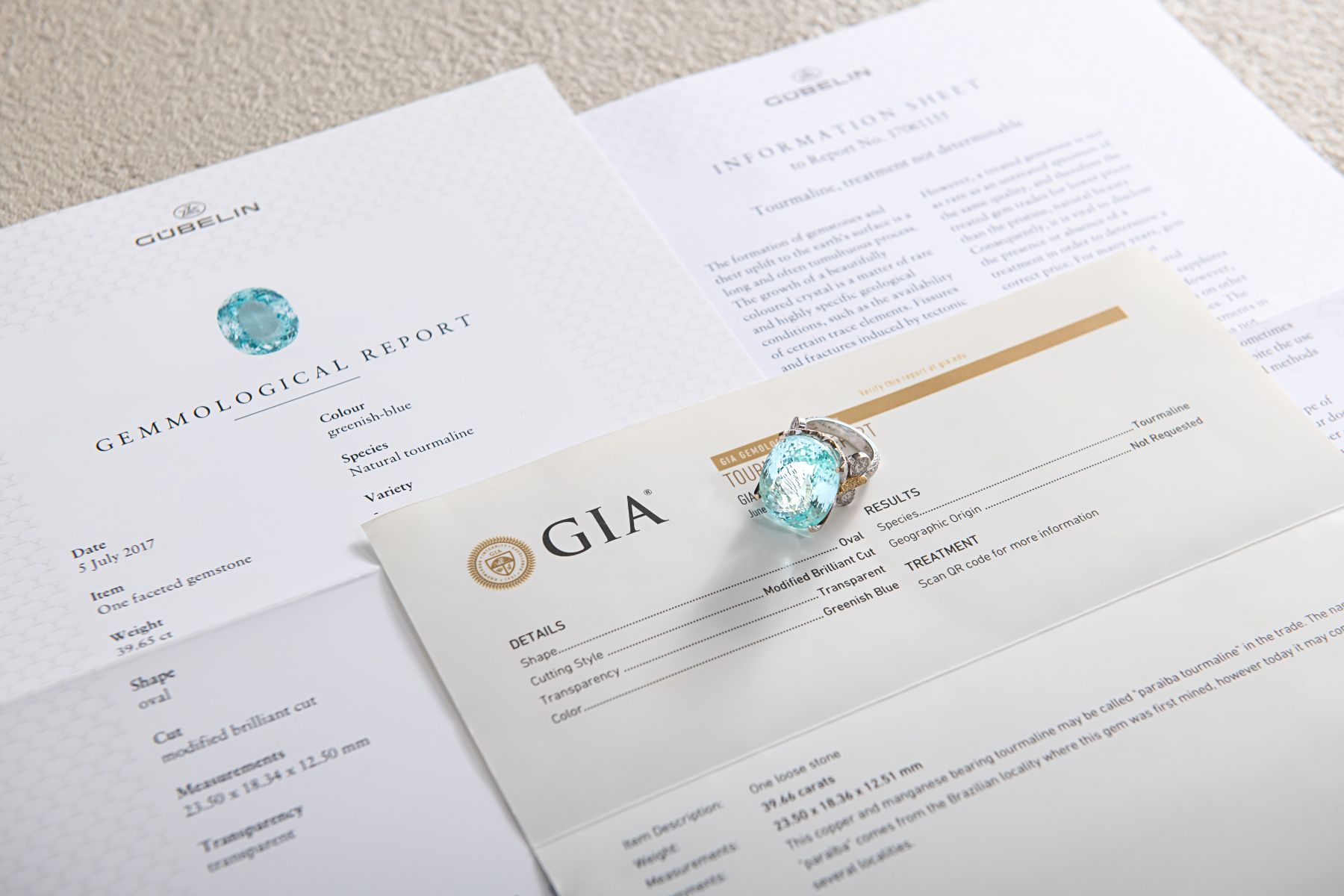
Collecting fine sapphires rests on verifiable, independent authentication. For a buyer, the first step in judging whether a report can be trusted is confirming that it comes from an internationally recognised laboratory. Those widely relied upon in the trade include GRS, GIA, SSEF, Gübelin, or AIGS laboratories whose reference collections and standing support credible determinations of origin and treatment, with AIGS holding particular authority in the Thai, Burmese, and Singaporean markets.
It is worth noting that auction-grade Kashmir sapphires are often submitted to more than one laboratory to reinforce the finding. The Regent Kashmir, at its 2025 sale, carried concurrent reports from Gübelin, GRS, and SSEF, all confirming Kashmir origin and no indications of heating. When several leading laboratories reach the same conclusion on a single stone, the result is a cross-institutional consensus, the stone's identity is placed beyond doubt.
What a Collector Truly Needs to Understand
The value of a Kashmir sapphire rests on a scarce combination of four conditions holding at once: Kashmir origin, a Royal Blue colour grade, unheated status, and sufficient carat weight. The absence of any one of them moves a stone into an entirely different value bracket. Understanding how these four conditions relate to one another is the foundation of serious Kashmir collecting.
These are the standards on which JUSTLEE has built fifty years of curation, and the reason we require a report from an internationally recognised laboratory on every Kashmir stone we hold. The trust that collecting depends on is built on facts that can be verified.
If you are considering your first Kashmir sapphire, or would like to understand how to read a certification in depth, we invite you to arrange a private consultation with the JUSTLEE consultant team.
Read More:
Royal Blue Sapphire: Defining the Colour, the Unheated Condition, and Kashmir's Market Position
JUSTLEE curated unheated sapphire
Frequently Asked Questions
Q: What is the single biggest difference between a Kashmir sapphire and sapphires from other origins?
A: It is a visual quality known as the velvety glow. A Kashmir sapphire contains exceptionally fine rutile silk inclusions that scatter incoming light, producing a soft, saturated blue with depth that holds even under low illumination. This optical quality arises from a crystal structure formed under conditions specific to Kashmir and cannot be reproduced by any human process on stones from other origins. Fine Burmese and Ceylon sapphires may rival Kashmir in saturation, but they differ fundamentally in the quality of the light.
Q: Why are Kashmir sapphires so rare?
A: Because the deposit is physically exhausted — there is no new production. The core Kashmir source was uncovered around 1881, the veins were extremely limited, and after a few years of intensive mining the deposit was near depletion; there has been no meaningful commercial output since the 1930s. This means every collectible Kashmir sapphire on the market today comes from that extraction window of less than a decade — a finite holding from a closed deposit, one that can only diminish, never grow.
Q: Is a Kashmir sapphire always Royal Blue?
A: Royal Blue is a colour grade that describes colour rather than origin, and sapphires from Burma, Ceylon, and elsewhere can receive it provided their hue, saturation, and tone meet the standard. Fine Kashmir sapphires are typically graded Royal Blue, but what truly distinguishes Kashmir is that it reaches this colour range while also carrying the velvety glow that comes from its crystal structure and cannot be reproduced. Kashmir is not generally described as Cornflower Blue, a term associated chiefly with the lighter, more transparent Ceylon sapphires.
Q: Which laboratories should I look for when buying a Kashmir sapphire?
A: The first step in judging whether a report can be trusted is confirming it comes from an internationally recognised laboratory. Those widely relied upon in the trade include GRS, GIA, SSEF, Gübelin, and AIGS, whose reference collections and standing support credible determinations of origin and treatment; AIGS holds particular authority in the Thai, Burmese, and Singaporean markets. Auction-grade Kashmir sapphires are often submitted to more than one laboratory to reinforce the findings on origin and unheated status.
Q: Why does unheated status (no indications of heating) matter so much for a Kashmir sapphire?
A: Because unheated status and colour grade are two different things. Heat treatment is legitimate and common, but it is an irreversible, one-way process, and a heated stone's colour is no longer as geology formed it. In an unheated Kashmir sapphire, the colour, the velvety glow, and every visible characteristic remain as they emerged from the earth over millions of years. Among sapphires graded Royal Blue, unheated examples are exceptionally scarce, which is why this is one of the most decisive criteria in the fine-collecting market.
 Facebook
 Instagram
 Line
Line