

動態
JUSTLEE Insights
Three distinct concepts are routinely conflated in discussions of colored gemstones: a stone's origin, its treatment history, and its commercial name. Once conflated, a collecting decision is built on imprecise ground. This piece sets out the underlying definitions, then narrows to the standard that governs collectible-grade natural colored gemstones — a framework intended to hold against a laboratory report, not a sales narrative.
What Is a Colored Gemstone?
"Colored gemstone" is the gemological term for every gem species with color other than diamond. It is not a single mineral but an umbrella category spanning dozens of species: corundum (ruby, sapphire), beryl (emerald, aquamarine), chrysoberyl (alexandrite, cat's-eye), spinel, tourmaline, among others.
The category is generally approached along two dimensions:
By value tier:
Ruby, sapphire, and emerald are traditionally grouped as the "big three" colored gemstones, ranked alongside diamond at the top of the fine jewelry hierarchy. Other species are tiered by rarity, market acceptance, and cutting performance.
By origin and treatment status:
The same species may exist in the market as natural, synthetic, or treated. This is the dimension collectors most need to understand — and where misjudgment is most common.
What Is a Natural Colored Gemstone?
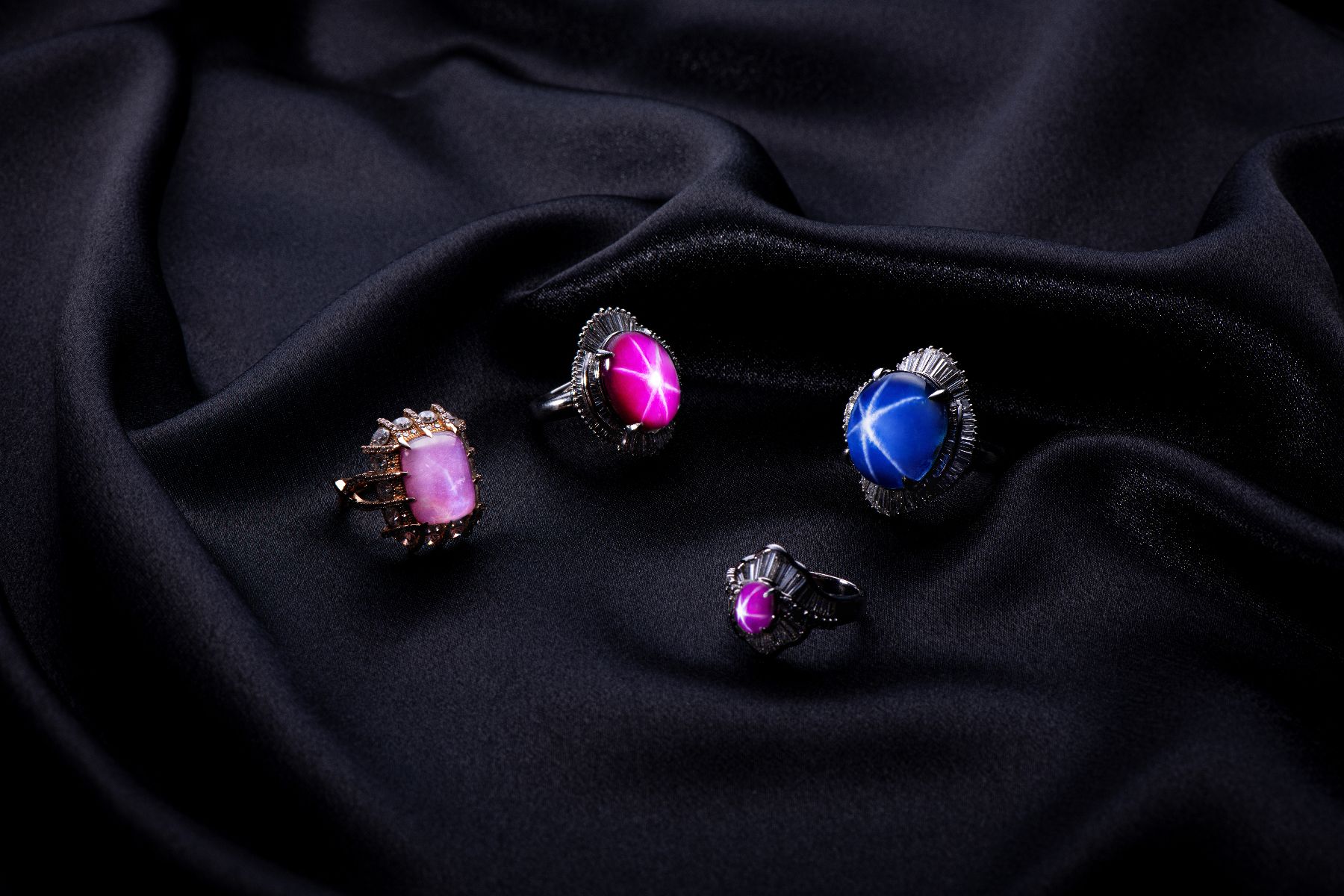
A natural colored gemstone forms through geological processes over vast timescales, without laboratory synthesis. The definition answers a single question — where the stone originated — and nothing about whether it has since been altered by heat or other treatment.
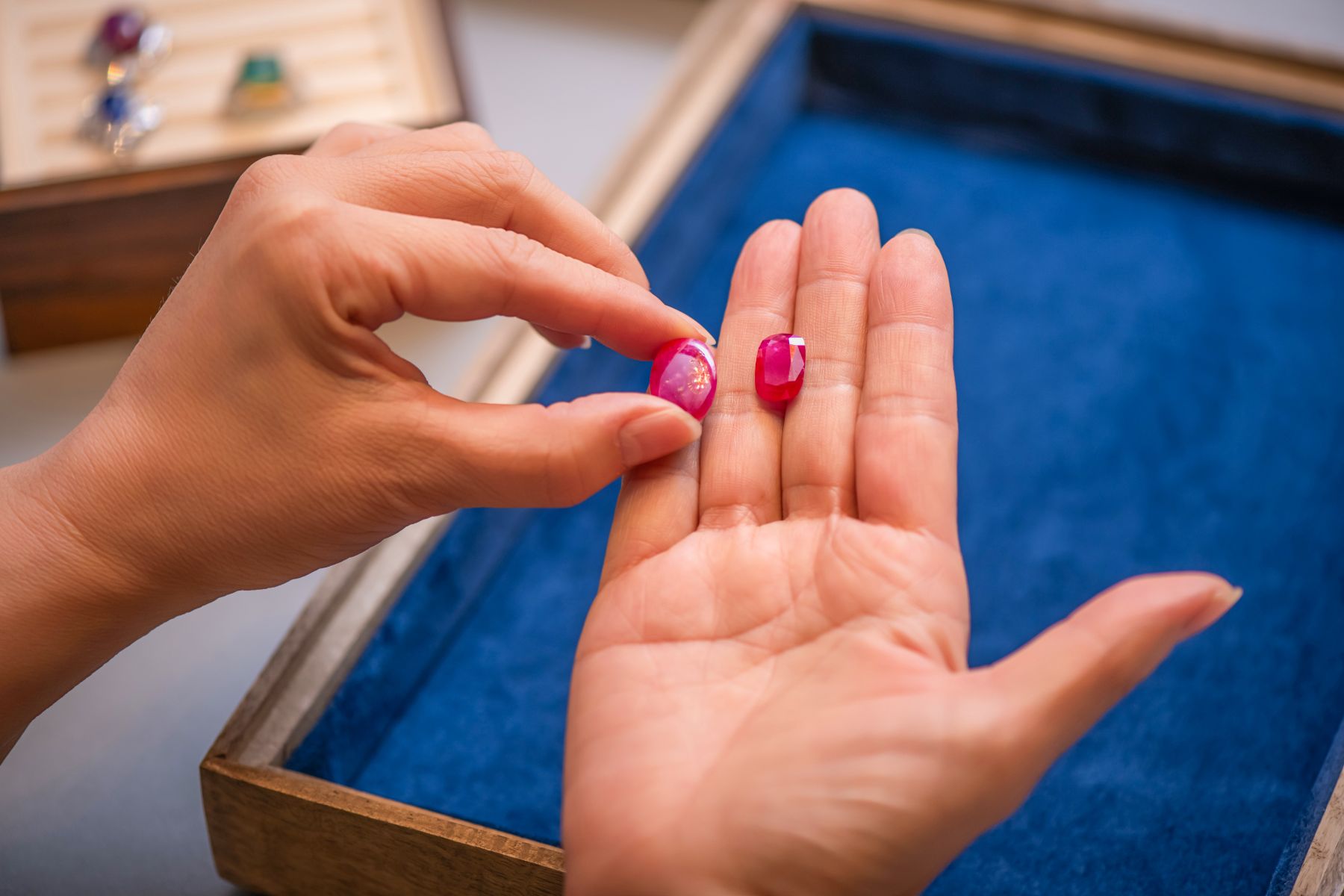
This is the market's most persistent point of confusion: natural does not mean unheated. A natural ruby may have been heat-treated, or it may never have been treated at all; both are, correctly, natural. Yet the collecting value and market price between the two can differ by several multiples. Natural answers a question of origin. Unheated answers a separate question — whether that natural stone was subsequently altered by human hands. The two are independent variables, not synonyms.
Key Takeaways
- Colored gemstone is an umbrella term for every non-diamond gem species, covering dozens of mineral families.
- Natural colored gemstone refers strictly to origin — geological formation, not laboratory synthesis.
- Natural does not mean unheated: more than 90% of ruby and sapphire on the market today has been heat-treated.
- "Unheated" (No Indications of Heating) is a specific, technical laboratory conclusion. The only credible source for it is the original report text from a recognized authority.
- Emerald is evaluated differently, due to its mineral structure: the relevant metric is oil/filling grade, not heat treatment.
- Collectible-grade natural, unheated colored gemstones cannot increase in supply over time. This is the material basis of their rarity.
- Unheated and untreated are JUSTLEE's baseline threshold for gemstone selection, established over five decades — not an added marketing claim.
Natural, Synthetic, and Treated: Three Concepts, Not One
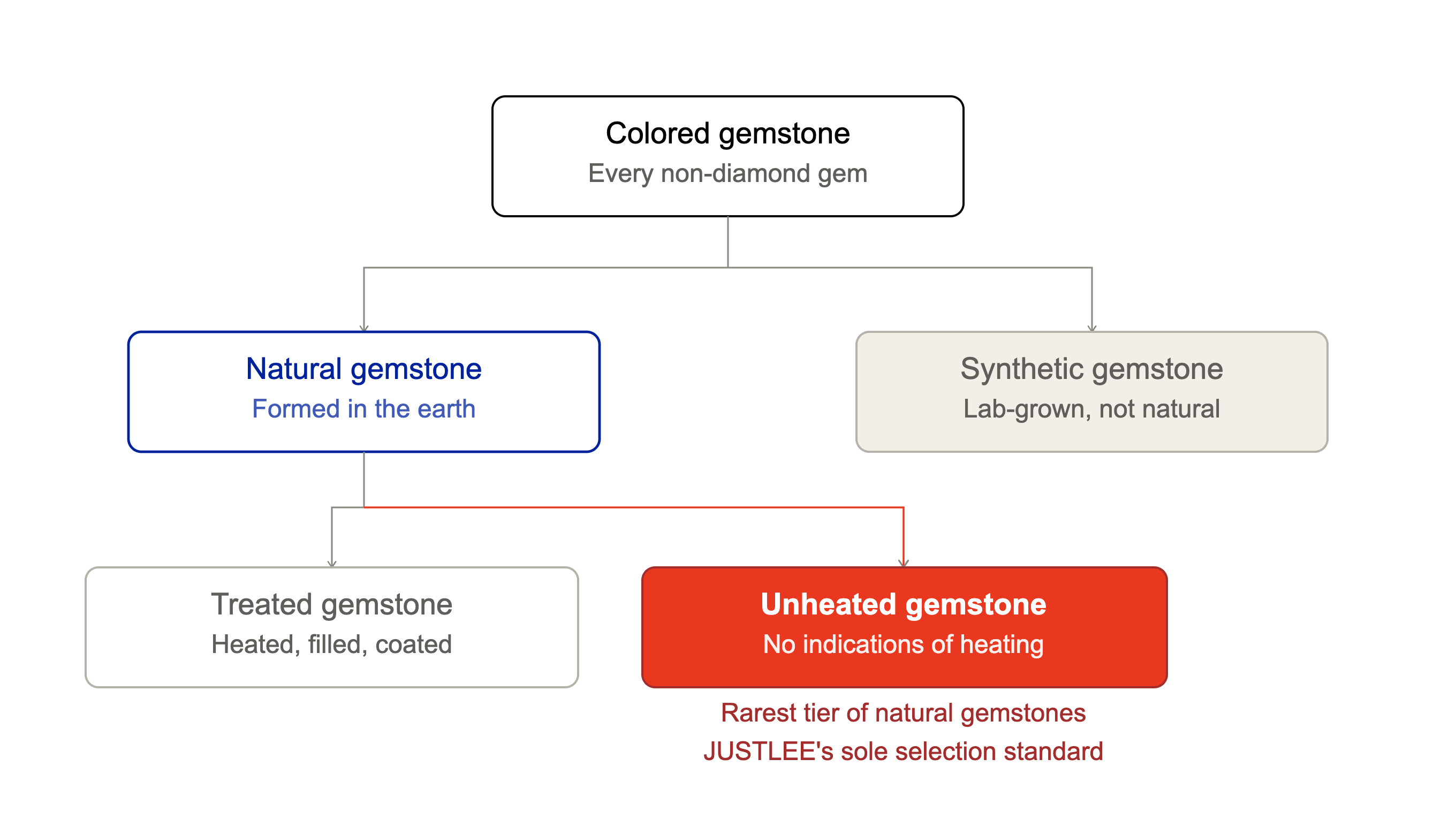
Understanding the market for natural colored gemstones starts with separating three terms that are routinely used interchangeably.
Natural gemstone A mineral crystal formed through geological processes in the earth's crust over millions of years — not cultivated or synthesized under laboratory conditions.
Synthetic / lab-grown gemstone Grown in a laboratory under conditions engineered to mimic natural formation. Its chemical composition and crystal structure may match the natural equivalent, but its origin is not a natural geological process — which is why it does not qualify as a natural gemstone, regardless of how closely it matches one.
Treated gemstone A gemstone that originates as natural, but has subsequently undergone human intervention — heating, filling, coating, irradiation — to alter or enhance its appearance. Whether a given treatment is market-accepted, and whether it must be disclosed, depends on the gem species and the conventions of the trade.
The relationship between the three can be understood this way: synthetic versus natural is a question of origin. Treated versus untreated is a reclassification within the natural category. Unheated gemstones are, specifically, the subset of natural stones that have never been treated — the rarest end of the spectrum.
How Is "Unheated" Determined?
"Unheated" (No Indications of Heating) is a specific technical conclusion reached in a gemological report. It is not marketing language, and it is not a claim any party can assert on its own authority. The determination rests on three levels of evidence:
- Visual evidence is limited: An untreated stone typically retains inclusion characteristics formed during natural growth — needle-like rutile inclusions, growth zoning — but the naked eye or a 10x loupe cannot draw an equivalent conclusion. Visual inspection is a preliminary reference point only; it cannot substitute for laboratory determination.
- Instrumentation is the core method: Recognized laboratories examine inclusions under 40x magnification or higher, combined with instrumental analysis such as infrared spectroscopy (FTIR) and Raman spectroscopy, to reach a scientifically defensible conclusion.
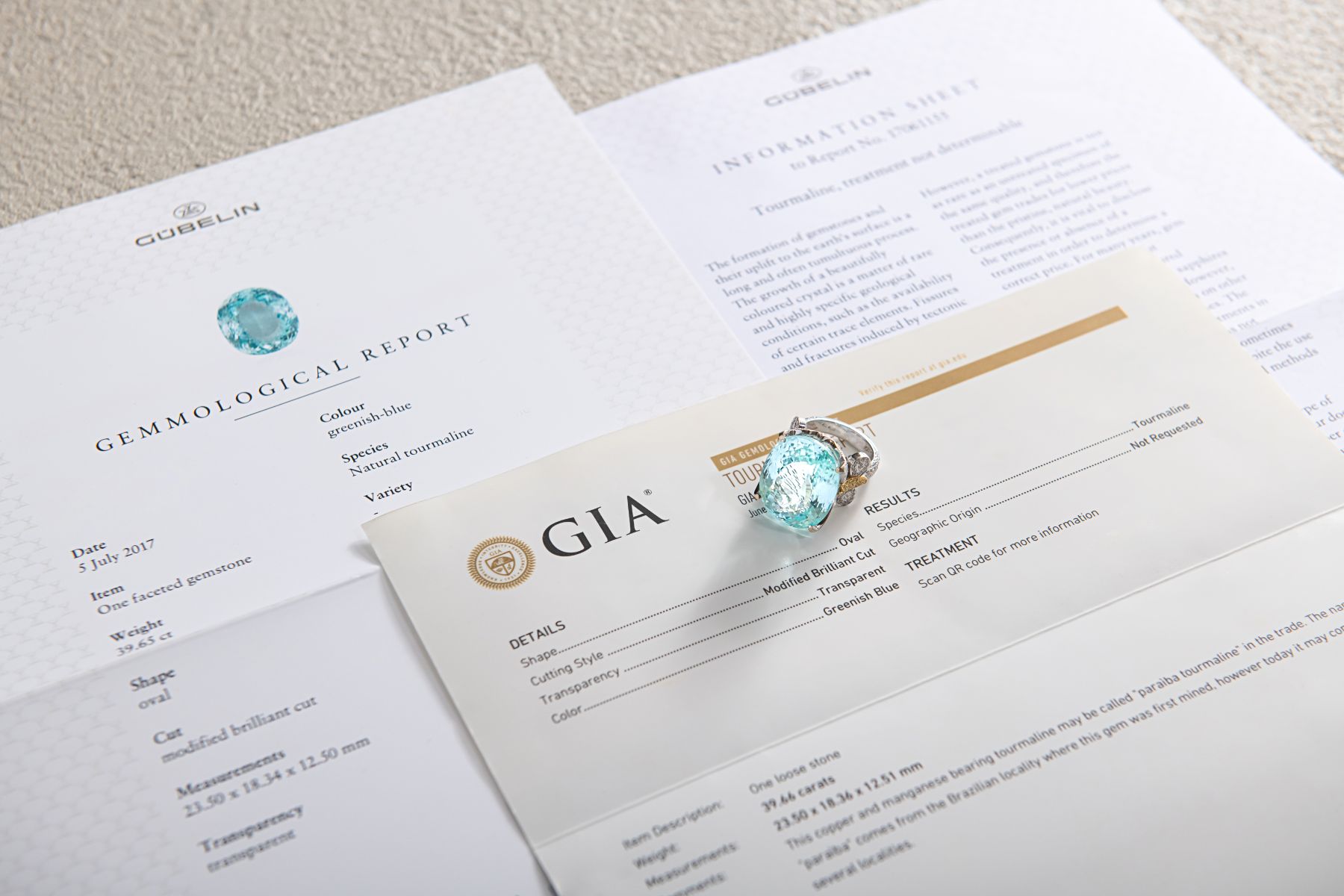
- The report text is the final authority: GRS, Gübelin, SSEF, AIGS or GIA each record their treatment conclusion explicitly in the report, though exact placement varies by institution. The governing principle is consistent across all of them: heating status is read from the original report text, never from a seller's description.
For how to locate this determination on each institution's report format, emerald's distinct evaluation logic, and how major auction cases have validated unheated stones' market value, see our fuller analysis: What Is an Unheated Gemstone? From Lab Report to Collector's Standard.
Major Natural Colored Gemstone Species at a Glance
Species | Mineral Family | Principal Origins | Coloring Element |
|---|---|---|---|
| Ruby | Corundum | Myanmar, Mozambique, Sri Lanka | Chromium (Cr) |
| Sapphire | Corundum | Kashmir, Sri Lanka, Madagascar | Iron (Fe), Titanium (Ti) |
| Emerald | Beryl | Colombia, Zambia, Brazil | Chromium (Cr), Vanadium (V) |
| Alexandrite | Chrysoberyl | Russia, Sri Lanka, Brazil | Chromium (Cr) |
| Paraíba Tourmaline | Tourmaline | Brazil, Mozambique, Nigeria | Copper (Cu), Manganese (Mn) |
| Spinel | Spinel | Myanmar, Sri Lanka, Tajikistan | Chromium (Cr), Iron (Fe) |
This table is a species overview. For full provenance and grading detail on each stone, see the dedicated pages on the JUSTLEE site.
Origin and Rarity: Why Natural Conditions Cannot Be Replicated
The rarity of natural colored gemstones is rooted in geological conditions that cannot be reproduced. Specific combinations of color and clarity often form only in a particular deposit, at a particular stratum, and most of the world's top-tier deposits are now facing depletion or disrupted extraction. The three cases below have different roots of rarity, but in each, supply of collectible-grade unheated material does not grow over time:
Species | Root of Rarity | Current Status |
|---|---|---|
| Burma Ruby | Legitimate production halted by political disruption | Official mining licenses expired in 2020 without renewal. Conflict intensified after the 2021 coup, and by 2024 the mining region was in civil war, with formal supply effectively cut off. |
| Kashmir Sapphire | Deposit exhaustion | The primary Old Mine deposit was exhausted by 1887. Subsequent reopening attempts produced no meaningful output; existing material is entirely historic stock, with no new supply. |
| Colombian No-Oil Emerald | Rarity of treatment grade, not deposit exhaustion | Colombian mines remain active, but emeralds confirmed by laboratory as showing no indications of clarity modification represent an extremely small share of market supply. |
This rarity is borne out at the top end of the auction market. The three records below all involve stones confirmed by internationally recognized laboratories as unheated, or untreated:
Lot | Weight | Treatment | Certifying Laboratories | Auction Record |
|---|---|---|---|---|
| The Sunrise Ruby (Burma Ruby) | 25.59 ct | Unheated | Dual certification by SSEF and Gübelin (Pigeon Blood) | Sotheby's Geneva, May 2015. Approx. US$30.4 million (approx. US$1.19 million/ct ), a world auction record for ruby. |
| The Regent Kashmir (Kashmir sapphire) | 35.09 ct | Unheated | Dual certification by SSEF and Gübelin (Royal Blue) | Christie's Hong Kong, May 2025. US$9.5 million (approx. US$271,515/ct ), a world record price per carat for sapphire. |
| The Rockefeller Emerald (Colombia Emerald) | 18.04 ct | Untreated | AGL-certified absence of treatment (No Oil) | Christie's New York, June 2017. US$5.5 million (approx. US$304,878/ct ), a world record price per carat for emerald. |
Source: official Sotheby's and Christie's auction records, and American Gemological Laboratories (AGL) reports.
Certification and Grading Standards
The treatment status of a natural colored gemstone must be established through a report issued by a recognized international laboratory. The institutions currently carrying market authority include GRS, Gübelin, SSEF, GIA, or AIGS.
Correct attribution of commercial color names warrants particular attention. Terms such as "Pigeon Blood" and "Royal Blue" carry strong market recognition, but they are proprietary color-grading terminology specific to GRS's own system; not every laboratory applies these designations. When reviewing a certificate, confirm that the color description and the issuing laboratory correspond correctly. A mismatched attribution can mislead even when the underlying stone is genuine.
Collecting and Asset Value
The distinctive standing of natural, unheated colored gemstones in the high-end collecting market rests on a structural fact: supply of collectible-grade unheated material does not increase over time, and in many cases contracts further as a result of deposit exhaustion or political disruption. This non-renewability is the material basis for regarding such stones as long-term holdings, rather than ordinary jewelry consumption goods.
A gemstone's market value is shaped by several interacting variables — quality grade, provenance certification, auction history, and broader market sentiment — and moves accordingly. Any collecting decision should be grounded in a complete reading of the laboratory report and available market information.
Common Buying Pitfalls
Several recurring misjudgments merit particular attention:
- Judging treatment status by appearance or a seller's description alone: Heating status must be read from the original report text; verbal assurance without an accompanying third-party report carries no evidentiary weight.
- An unclear or unverifiable certifying source: Not every document labeled a "certificate" carries equal authority. Confirm the issuing laboratory is internationally recognized.
- Treating a commercial color name as a quality guarantee on its own: Names like "Pigeon Blood" or "Royal Blue" must be read alongside the certifying laboratory and the full report, never taken at face value from the name alone.
- Overlooking the different evaluation logic for emerald and Corundum: Emerald is evaluated by whether foreign material, cedar oil or synthetic resin, has been used to fill surface fissures, and to what degree; heating status is not the relevant variable. Ruby and sapphire, both corundum, are evaluated instead by whether they have undergone heat treatment. The two rest on entirely different physical mechanisms and cannot be judged by the same standard.
For private consultation or a viewing of specific pieces, collectors are welcome to book an appointment through our website's viewing request form. A member of the JUSTLEE consultant team will arrange a one-on-one consultation.
This article was compiled by the JUSTLEE advisory team, drawing on published material from GRS, Gübelin, SSEF, and AIGS, public auction records from Christie's and Sotheby's, and grading data from American Gemological Laboratories (AGL). JUSTLEE has worked in colored gemstones for more than fifty years, holding unheated, untreated natural gemstones as its core collecting standard.
Further Reading
- Ruby Collecting Guide: Pigeon Blood, Origin Identification, and International Certification Standards for Unheated Rubies
- What Is Kashmir Sapphire? A Complete Guide to Velvety Luster, Unheated Rarity, and International Grading Standards
FAQ
Q: How do you tell a natural colored gemstone apart from a synthetic one?
A: The core difference is origin: natural gemstones form through geological processes, while synthetic gemstones are grown in a laboratory. Even when the chemical composition is nearly identical, distinguishing them reliably requires instrumental analysis, such as inclusion characterization, by a professional laboratory. The naked eye generally cannot render a reliable determination.
Q: Is a natural gemstone automatically unheated?
A: No. "Natural" describes origin — geological formation, not laboratory synthesis. "Unheated" describes treatment status — whether the stone has undergone artificial heat treatment. Every unheated gemstone is natural, but not every natural gemstone is unheated. More than 90% of natural ruby and sapphire on the market today has been heat-treated.
Q: Which certificate should I look for when buying a natural colored gemstone?
A: Prioritize reports from internationally recognized laboratories such as GRS, Gübelin, GIA, AIGS or SSEF, and confirm the report explicitly states treatment status (unheated / heated, or filling grade) along with origin, rather than accepting a simplified certificate that does not specify testing methodology.
Q: Is an unheated gemstone always more expensive than a heated one?
A: When other quality factors — color, clarity, origin — are comparable, unheated stones typically command a significantly higher price, because supply is far smaller than heated material. However, final price still depends on the stone's overall quality grade; heating status is one key factor among several.
Q: Why doesn't "unheated" apply to emerald evaluation?
A: Emerald belongs to the beryl family and cannot withstand the high temperatures used in corundum heat treatment; heating would simply fracture the stone. As a result, heat treatment is not a category that exists in the emerald market. Emerald evaluation instead focuses on filling grade — whether cedar oil or synthetic resin has been used to fill surface fissures — rather than heating status.
 Facebook
 Instagram
 Line
Line