品牌
動態
JUSTLEE Insights
Unheated Burmese Ruby: Mogok Origin, Pigeon Blood Classification and Collector-Grade Standards
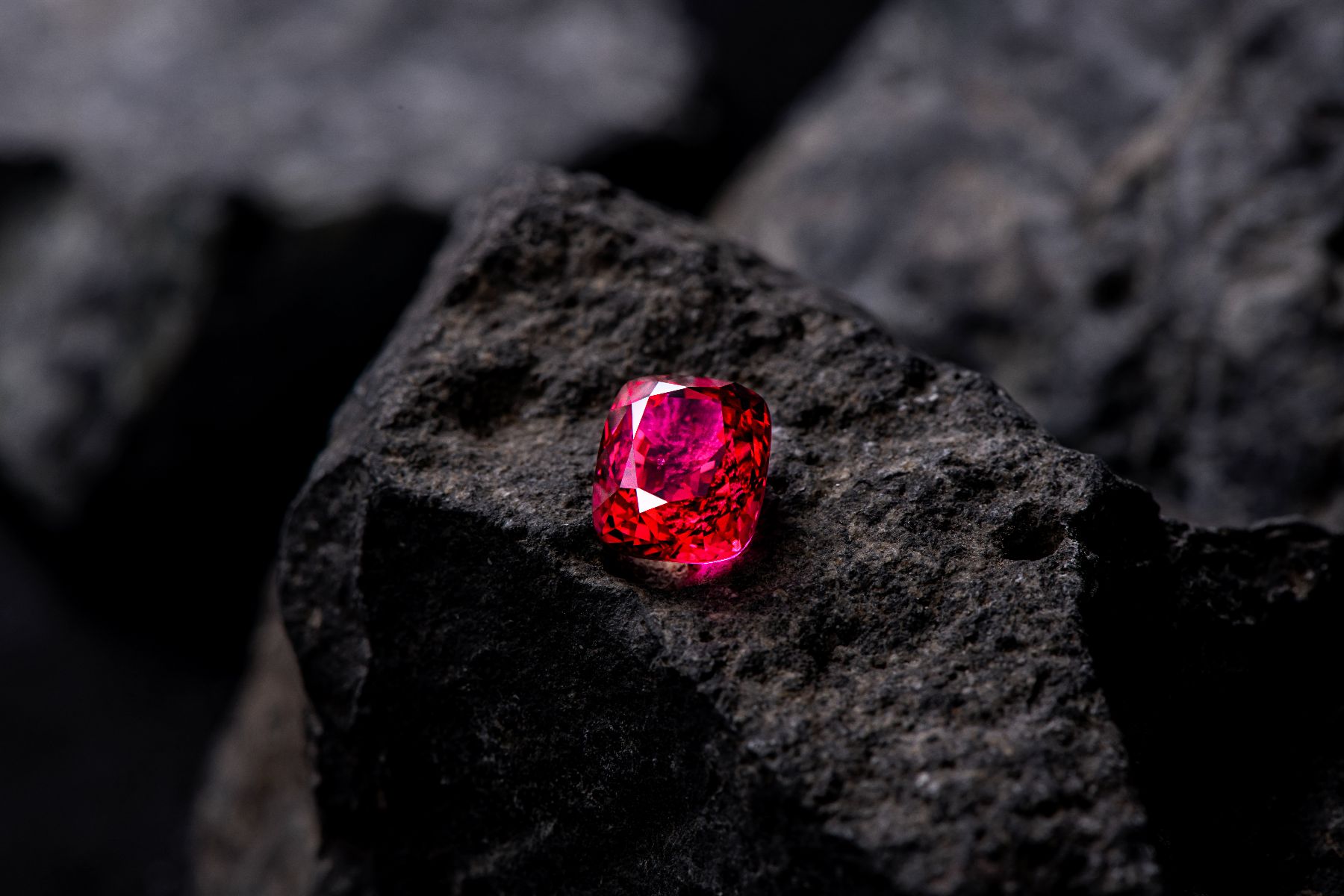
Among the coloured gemstone categories that define serious collecting, unheated Burmese ruby occupies a position that is difficult to challenge. The convergence of Mogok origin, confirmed unheated status and a certificate from one of the principal gemological laboratories, GRS, Gübelin or SSEF, represents the most rigorous threshold in the collector market. It is also the category responsible for some of the highest per-carat auction records in the history of coloured gemstones.
This article examines the geological basis for Mogok's standing, the technical criteria behind pigeon blood classification, how to read a laboratory report for unheated status, and what the auction record reveals about long-term value. It is intended as a reference framework for collectors evaluating this category, whether approaching it for the first time or deepening an existing knowledge base.
Mogok: The Geological Foundation of Ruby's Rarest Expression
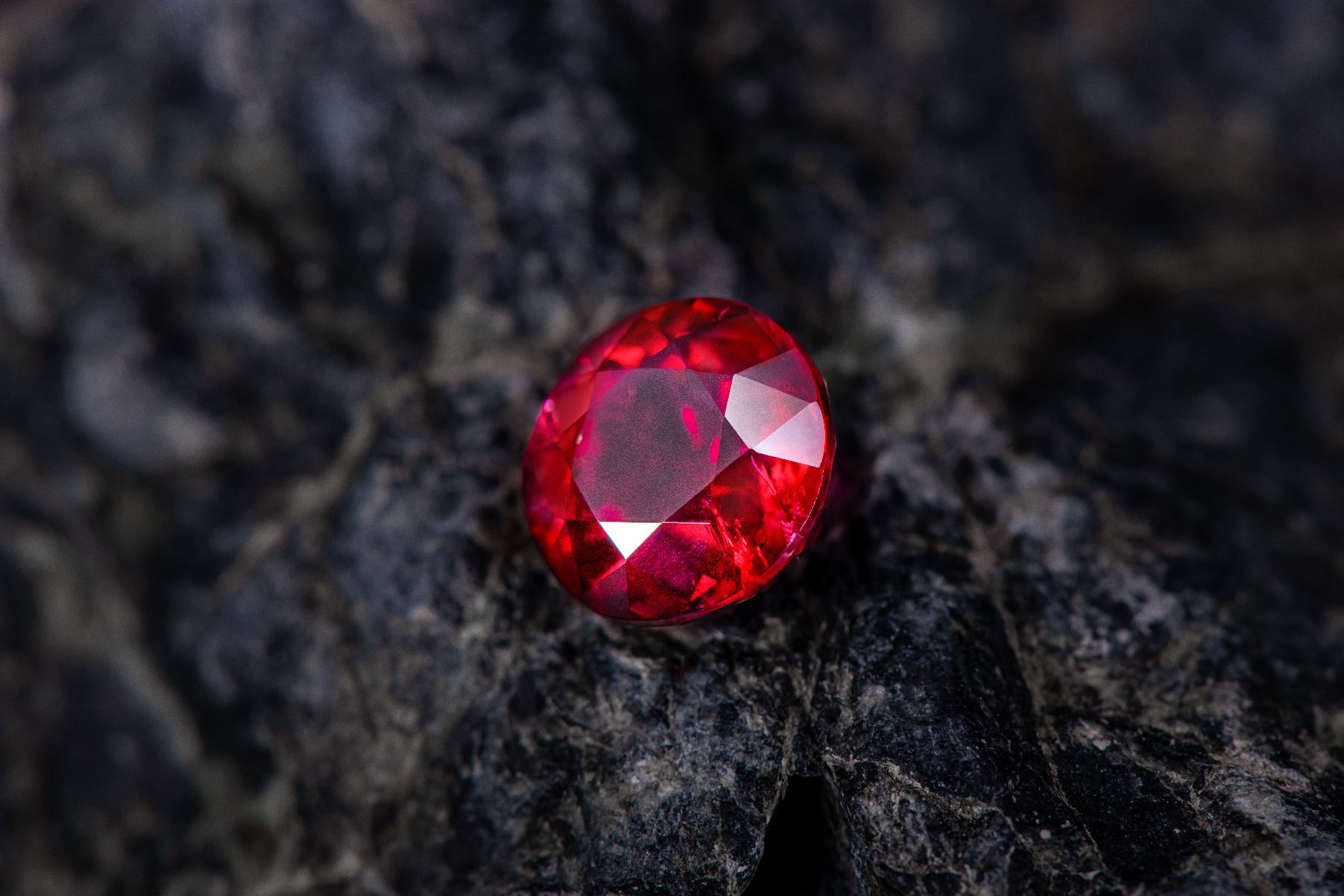
Mogok, located in the Mandalay Region of northern Myanmar, is one of the most extensively documented ruby localities in the world. The deposits formed approximately 23 to 34 million years ago through regional metamorphism, hosted primarily in crystalline limestone and marble. This geological environment produced the chemical signature that defines Mogok ruby and separates it from production elsewhere: high chromium content combined with exceptionally low iron content.
Chromium is the primary chromophore in ruby, the element responsible for its red colour. The ratio of chromium to iron governs not only the saturation and purity of the hue, but also the stone's fluorescence behaviour. Iron acts as a fluorescence quencher; at low concentrations, the chromium-driven red fluorescence is expressed fully under both ultraviolet and visible light. This is the physical basis for the inner luminosity that Mogok rubies display across different lighting conditions — an optical property, not a descriptive embellishment.
Mozambique has become the most significant active ruby-producing locality in recent decades, and certain stones from that source reach top-tier colour standards. However, the generally higher iron content in Mozambique material results in measurably weaker fluorescence compared to Mogok production. The distinction is observable in laboratory assessments and consistently reflected in the pricing structure of top-tier auction lots.
On the supply side, active extraction at Mogok has contracted substantially. Material entering the market today is largely drawn from historical stock accumulated over decades of production. This finite supply with no comparable new production on the horizon is the structural basis for Mogok ruby's sustained market premium — a reality independent of any brand position.
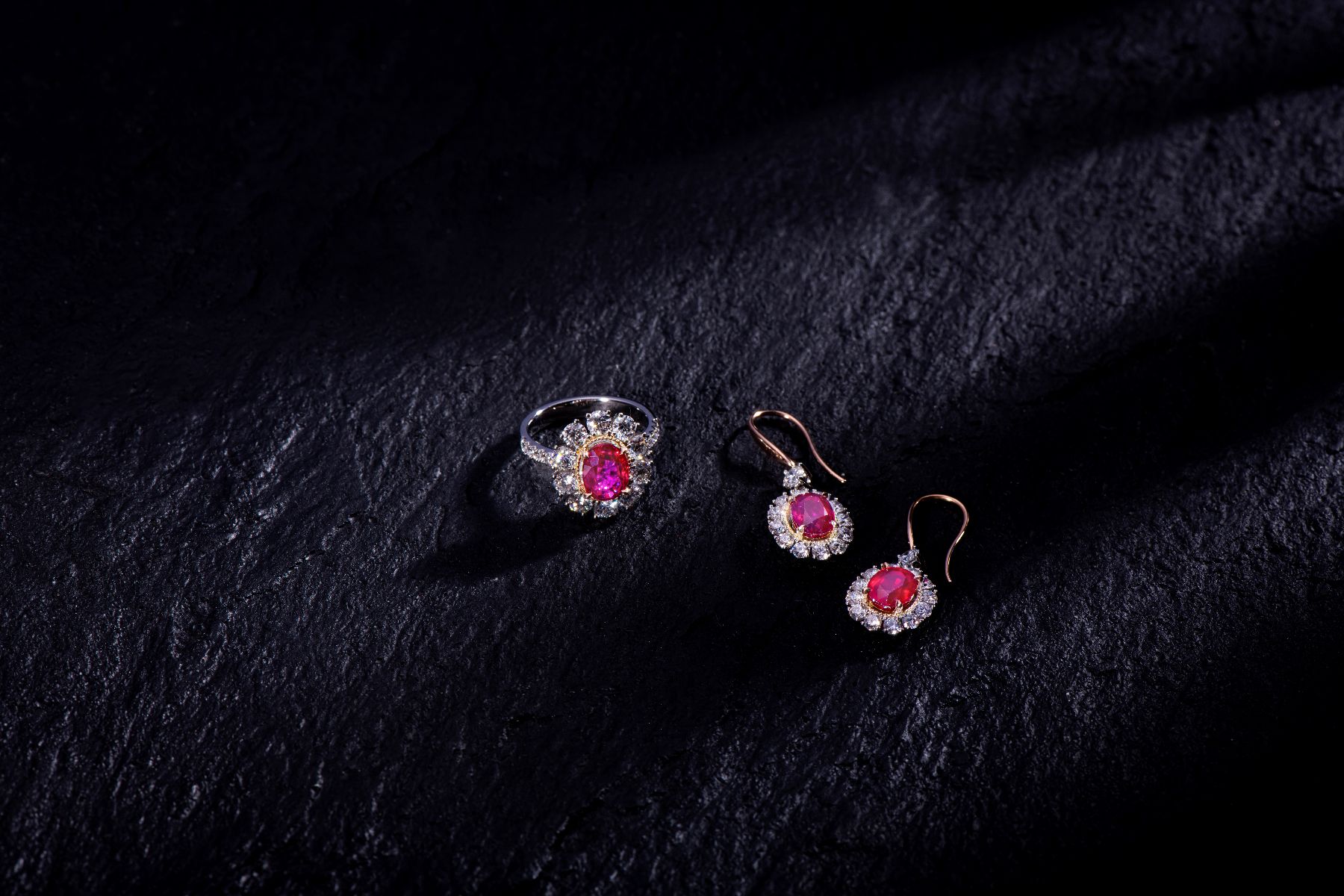
JUSTLEE Unheated Mozambique Ruby
Pigeon Blood: Definition, Certifying Laboratories and Technical Criteria
Which Laboratories Issue Pigeon Blood Certifications?
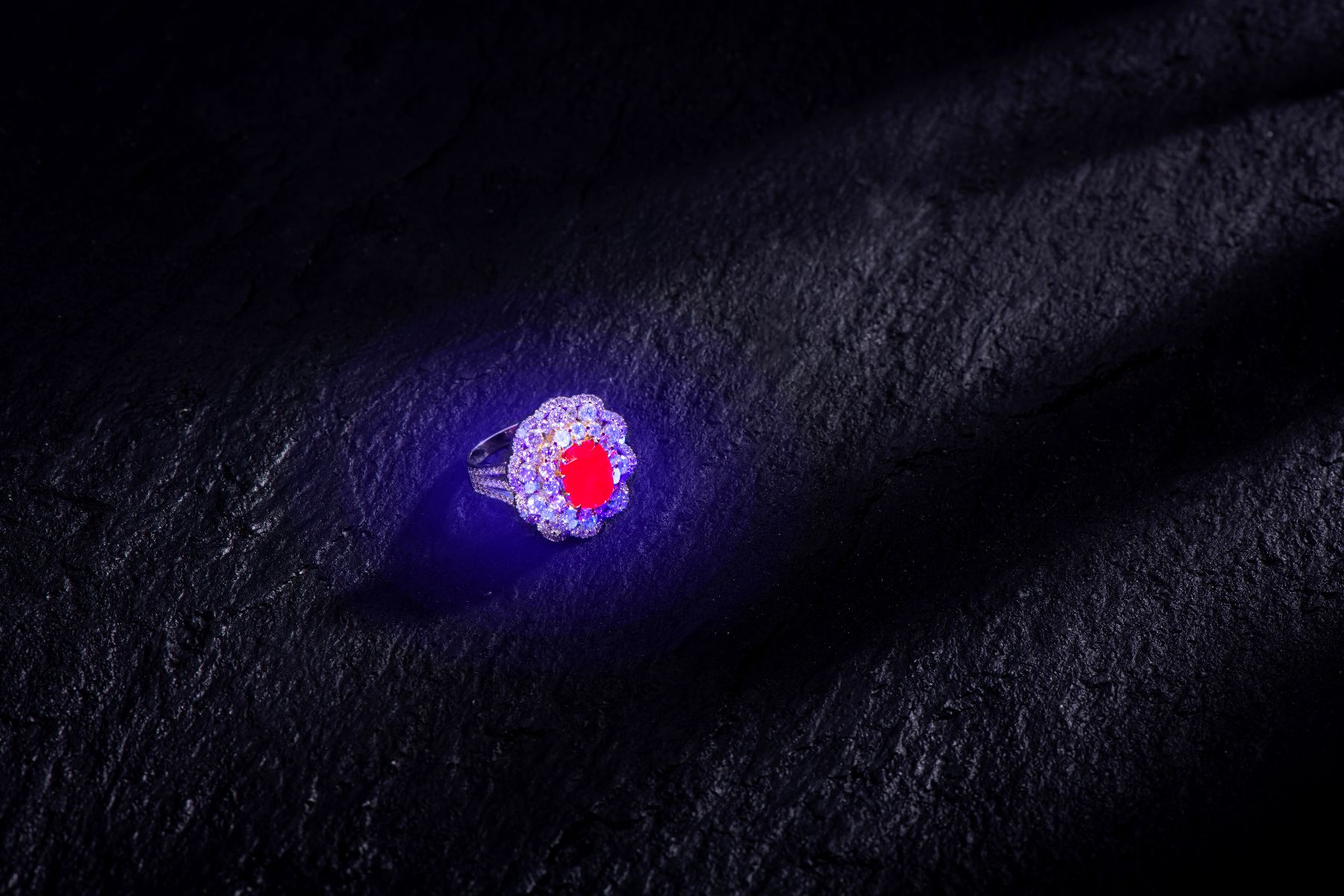
"Pigeon Blood" is a formal colour grade, not a general descriptive term. It appears on laboratory reports issued by GRS (Gem Research Swisslab), Gübelin Gem Lab and SSEF (Swiss Gemmological Institute). GIA (Gemological Institute of America) operates its own colour grading system and does not use the term "Pigeon Blood" in its reports.This distinction has direct practical implications for collectors. A ruby cannot be confirmed as Pigeon Blood grade on the basis of a GIA report alone. Those seeking this specific designation must hold a certificate from GRS, Gübelin or SSEF. GIA reports remain fully authoritative for origin determination and heat treatment assessment — they simply do not issue the Pigeon Blood colour classification, and the two functions should not be conflated.
The Technical Criteria for Pigeon Blood Classification
Under GRS grading criteria, a ruby must meet several simultaneous conditions to receive Pigeon Blood classification: a pure red hue with strictly limited secondary colour modifiers, saturation at the Vivid level, and strong red fluorescence under ultraviolet light. The fluorescence requirement is directly tied to iron content — stones with the characteristically low iron levels of Mogok production are considerably more likely to meet this threshold than those from higher-iron localities.
It is worth noting that Pigeon Blood is a colour grade, not a geographic designation. While the majority of rubies carrying this classification originate from Mogok, stones from other localities have on occasion met the criteria. Origin — as stated on the laboratory report — and colour grade must always be read as separate determinations, not interchangeable descriptions.
Unheated Status: The Defining Threshold for Collector-Grade Ruby
Heat Treatment in the Ruby Trade
Heat treatment has been applied to ruby for centuries and is widely accepted throughout the gem trade as standard commercial practice. At elevated temperatures, silk inclusions dissolve, improving transparency; colour distribution can also become more even and saturated. The treatment is not fraudulent — it must be disclosed on laboratory reports, and heated rubies trade openly and legitimately at all price points.
The overwhelming majority of commercial ruby on the market has been heated. A stone that reaches top colour standards without any post-extraction intervention is a considerably rarer occurrence.
Why Unheated Status Commands a Structural Premium
A ruby that exhibits fully saturated, pure red colour without any artificial treatment demonstrates that its chromium-to-iron ratio was ideal at the point of geological formation. The stone's optical character is inherent, not induced. This is what the collector market identifies as provenance integrity — and it is the fundamental reason unheated rubies are evaluated as a distinct asset category from their heated commercial counterparts.
At auction, the per-carat spread between unheated and heated Burmese rubies of comparable colour grade is consistent and significant. That spread widens as carat weight increases. The highest per-carat results in this category are, without exception, held by unheated stones with full laboratory documentation from the principal certifying institutions.
Reading a Laboratory Report: Key Assessment Points
Understanding "No Indications of Heating"
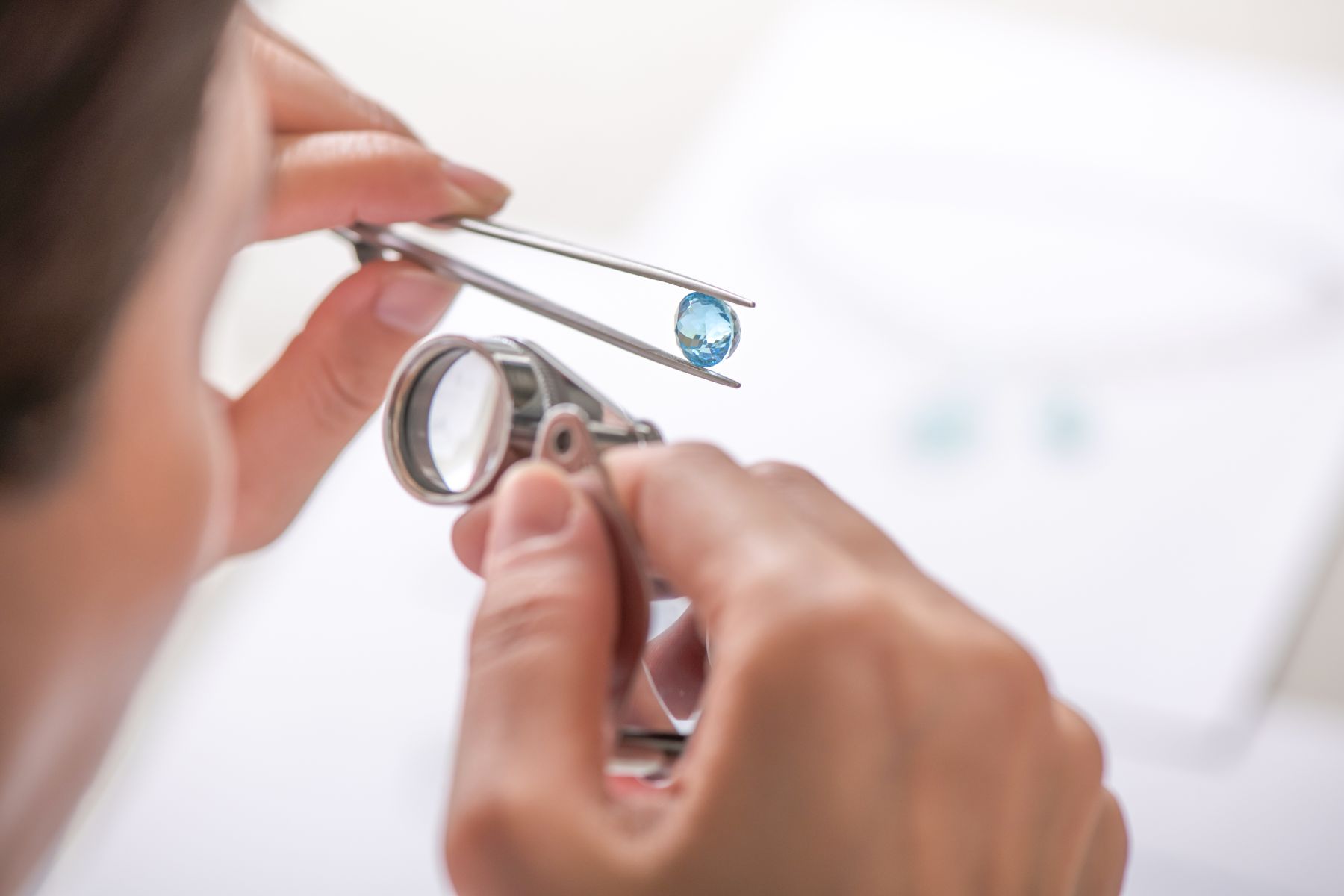
The standard language used by GRS, Gübelin, SSEF and GIA to indicate the absence of detectable heat treatment is "No indications of heating." Precise wording varies slightly between laboratories, but the meaning is consistent: the examining gemologist found no observable evidence of thermal treatment within the stone.
The assessment is based on examination of internal features — the condition of silk inclusions (whether intact or partially dissolved), the presence or absence of secondary inclusions associated with heating, and the overall internal structure for evidence of thermal alteration. This is a conclusion drawn from observable evidence using current instrumentation, and the phrasing reflects appropriate technical responsibility rather than an absolute metaphysical claim.
If a report states "Indications of heating" or any comparable language confirming treatment, the collector-grade framework no longer applies. Pricing logic, provenance assessment and secondary market positioning all change materially at that point.
Choosing the Right Laboratory
For rubies presented as coming from a top-tier origin, a report from at least one of the three principal Swiss laboratories — GRS, Gübelin or SSEF — is the standard reference for both unheated confirmation and Pigeon Blood colour grading. For the highest collecting tier, concurrent reports from two different institutions — GRS and Gübelin, for example — represent the strongest available authentication. Cross-institutional consensus significantly strengthens provenance documentation and carries measurably greater weight in the secondary market.
GIA reports are equally authoritative for origin and heat treatment assessment and are broadly respected across international markets. Their function differs from the Swiss laboratories specifically in the context of Pigeon Blood colour classification.
Auction Market Performance and Price Reference
Unheated Burmese ruby has held the leading position for per-carat achievement among coloured gemstones at Christie's and Sotheby's over the past three decades. That position has remained stable, with the overall price trajectory at the top tier showing consistent upward movement across market cycles.
The most cited reference point in this category is the Sunrise Ruby — a 25.59-carat unheated Burmese ruby graded Pigeon Blood by GRS, sold at Sotheby's Geneva in May 2015 for over USD 30 million. At the time of sale, it set the world auction record for price per carat for a ruby and surpassed every diamond lot in the same sale.
The significance of this result is structural: it represents the market's valuation when all four conditions are simultaneously present — Burmese origin, unheated status, Pigeon Blood colour grade and GRS certification. The absence of any single condition changes the pricing logic materially, and the market consistently prices that difference.
For collecting decisions, individual auction records provide orientation rather than direct price guidance; private market valuations respond to different dynamics. The more useful analytical frame is the long-term median performance of top-tier unheated Burmese ruby across Christie's and Sotheby's sales over multiple decades, and the per-carat distribution by weight bracket within that category.
JUSTLEE's Selection Standards
JUSTLEE has been active in the coloured gemstone markets of Taiwan, Hong Kong and Thailand for over fifty years. That accumulated experience — across direct stone selection, global source relationships and market observation through multiple cycles — forms the basis of an evaluation framework centred on the stone itself, before any certificate is consulted.
For ruby, JUSTLEE's selection criteria have remained consistent: verifiable origin with full laboratory documentation, confirmed unheated status and a report from GRS, Gübelin or a comparable institution. These are not positioning choices. They reflect the straightforward reality that the rarity and long-term collector value of top-tier ruby are built on verifiable conditions — not on market narrative.
Fifty years of curation means that JUSTLEE's assessment begins at the rough stone level. The certificate confirms what direct evaluation has already established. Private consultation is available by appointment. The starting point is always the same: the collector's complete understanding of what they are acquiring, before any acquisition is made.
FAQ
Q: What is an unheated ruby?
A: An unheated ruby is a stone that has never been subjected to artificial heat treatment after extraction from the mine. On a laboratory report, this is confirmed by the phrase "No indications of heating." At an equivalent colour grade, unheated rubies represent a distinct level of rarity in the collector market and are priced and evaluated on fundamentally different terms from heated commercial-grade material.
Q: Does a GIA report confirm Pigeon Blood grading?
A: No. "Pigeon Blood" as a formal colour grade is issued by GRS, Gübelin and SSEF. GIA operates a separate colour grading system and does not use this designation. Confirming that a ruby has received Pigeon Blood classification requires a certificate from one of those three laboratories; a GIA report cannot substitute for this purpose, although it remains fully relevant for origin and heat treatment assessment.
Q: What is the difference between Mogok and Mozambique ruby?
A: The primary difference is chemical, and its origin is geological. Mogok ruby's characteristically low iron content produces strong chromium-driven red fluorescence — a quality that Mozambique material, with generally higher iron concentrations, rarely matches to the same degree. At the top tier of the auction market, unheated Mogok Pigeon Blood rubies consistently achieve higher per-carat results than Mozambique stones at equivalent weight and colour grade. The differential is most pronounced in certified Pigeon Blood material.
Q: How do I confirm unheated status on a laboratory report?
A: Locate the "Heat Treatment" or "Clarity/Colour Enhancement" section of the GRS, Gübelin or SSEF report. The phrase "No indications of heating" confirms that the examining gemologist found no observable evidence of thermal treatment. If the report states "Indications of heating" or any equivalent language, the stone has been treated, and the collector-grade evaluation framework does not apply. GIA reports use comparable but slightly different terminology — read the relevant section directly rather than inferring from the colour description.
Q: How much more do unheated rubies cost compared to heated stones?
A: There is no fixed formula, but the premium at the top quality tier is substantial — often several multiples of a comparable heated stone, and more at significant carat weights. The key variables are carat weight (the premium scales with size), colour grade (Pigeon Blood classification carries the highest premium) and the issuing laboratory. The per-carat spread between unheated Mogok Pigeon Blood rubies and heated material of equivalent appearance has been demonstrated consistently across multiple public auction records.
Q: Which laboratories are most relevant for Burmese unheated ruby?
A: GRS, Gübelin and SSEF are the principal references for both unheated confirmation and Pigeon Blood colour grading. GIA is equally authoritative for origin and heat treatment assessment but does not issue Pigeon Blood classification. For the highest collecting tier, concurrent reports from two different major laboratories represent the strongest available documentation and carry the greatest weight in the secondary market.
Q: Is unheated Burmese ruby a viable long-term collecting asset?
A: The long-term auction record for top-tier unheated Burmese ruby shows sustained price support, but coloured gemstones differ fundamentally from liquid financial assets and should not be assessed on a short-term return basis. The foundation of long-term collector value rests on consistent conditions: confirmed unheated status and origin, top-tier colour grading — including Pigeon Blood classification where applicable — and a meaningful combination of carat weight and quality. Absent these conditions, secondary market liquidity and pricing power diminish substantially. Collectors considering this category are advised to work with a gemstone advisor capable of independent stone-level evaluation.
This article is compiled from published gemological research, laboratory grading standards and publicly available auction records by JUSTLEE team. It is intended for educational reference only and does not constitute investment advice.