

動態
Signature Creations
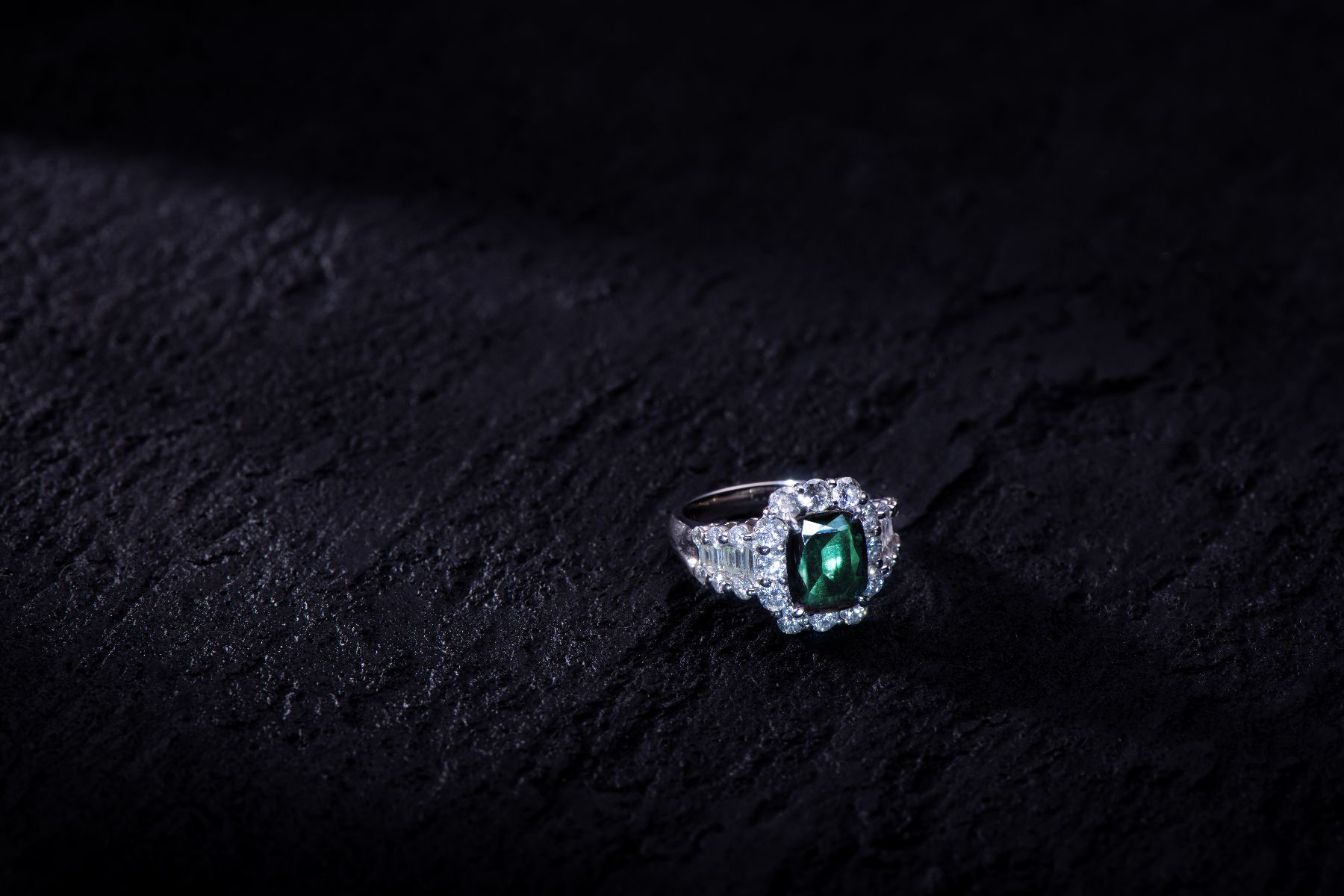
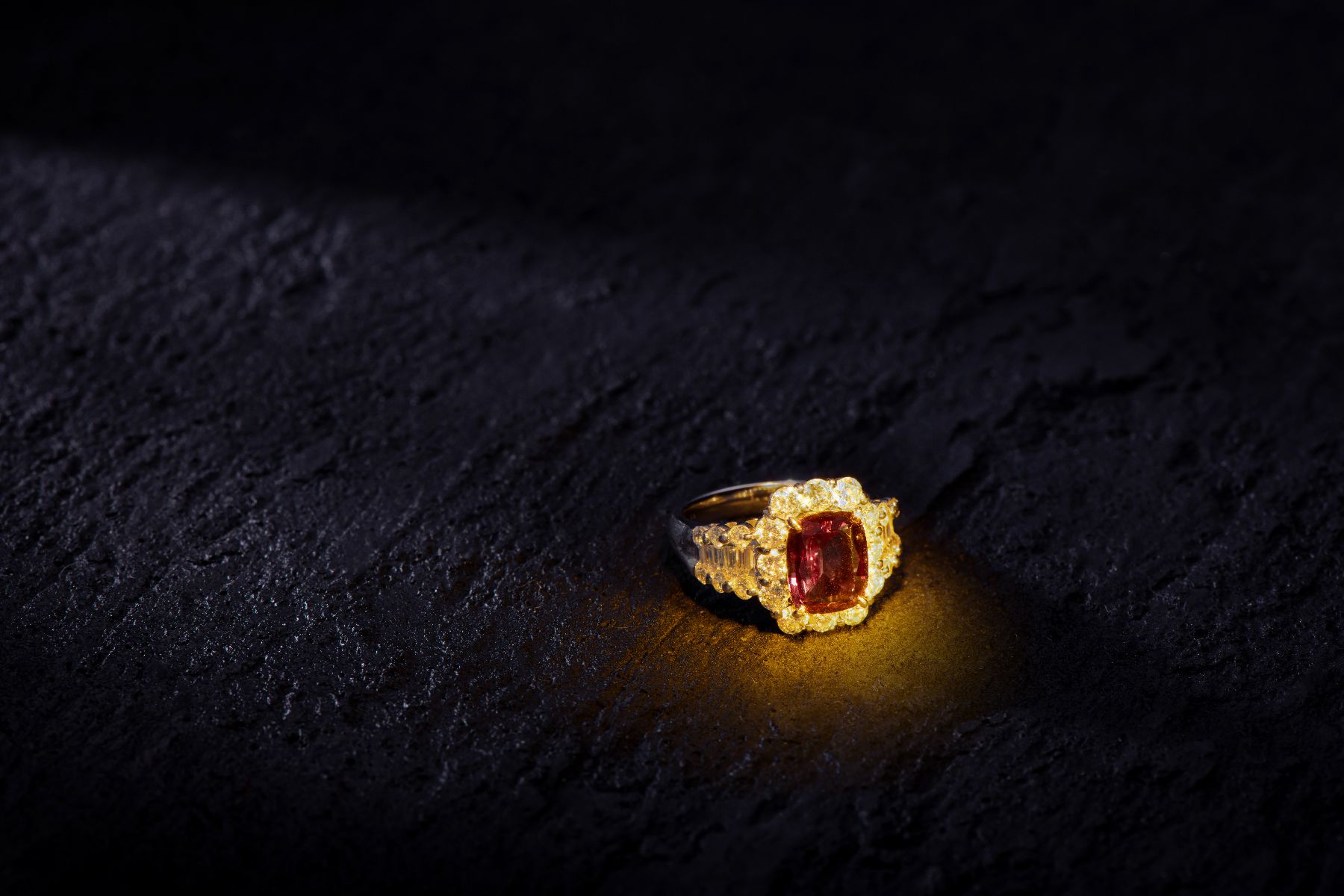
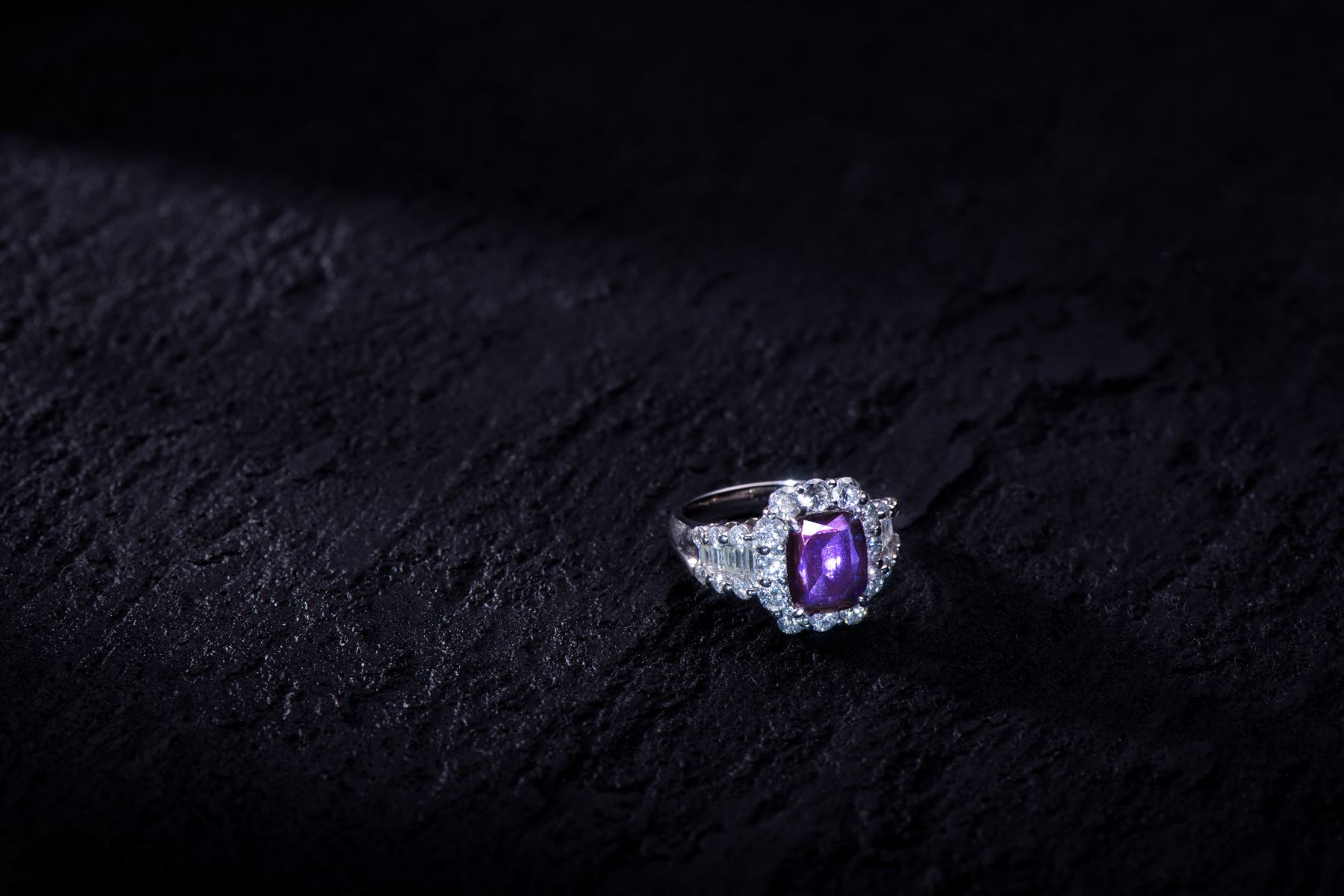
Alexandrite is a rare colour-change variety of natural chrysoberyl — its chromium content causes the stone to shift from bluish-green in daylight to purple under incandescent light. GIA identifies this distinct colour transition as the defining quality criterion for the species, and fine-quality specimens represent one of the most limited supplies in the collector gemstone market. This Brazilian specimen has been independently verified by both Gübelin Gem Lab and GIA, with both institutions confirming natural origin and no indications of treatment. It has been selected for the JUSTLEE Luminous Collection.
What Did Sotheby's 2024 Alexandrite Auction Record Signal to the Market?
In December 2024, a 16.53-carat Alexandrite ring sold at Sotheby's for USD 1.9 million — setting a new world auction record for the species. Sotheby's publicly noted following the sale that Alexandrite is experiencing a notable surge in market demand.
Major auction houses rarely make public declarations about momentum for a particular gem category. This statement reflects a measurable shift in buyer composition — from a small circle of specialists who have long followed the species, toward a broader high-end collector market. For JUSTLEE, the timing of this acquisition sits directly within that inflection point.
How Does GIA Define Fine-Quality Alexandrite Colour?
GIA defines fine-quality Alexandrite as green to bluish-green in daylight and red to purplish-red under incandescent light, with colour saturation reaching moderately strong to strong. GIA further notes that stones too light in tone fail to achieve the intensity threshold for fine quality, while stones too dark lose brightness and read as near-black.
The Gübelin report for this stone records: bluish-green in daylight, purple under incandescent light. This colour profile falls within GIA's fine-quality range. Bluish-green is the characteristic daylight hue of Brazilian material — a product of its geological origin, not a limitation. A clean, unsaturated purple in incandescent light is a result that Brazilian Alexandrite does not consistently produce.
What Did Gübelin Write in the Comments Field, and Why Does It Matter?
In the Gübelin report format, the Comments field is reserved for observations the examining gemologist considers worth stating explicitly. In most reports, this field is blank.
For this stone, the Comments field reads: This gemstone displays a strong colour-change.
This is an active determination made after full optical examination — not a templated output. The colour change effect in Alexandrite varies widely across the market; the distance between weak and strong directly determines where a stone sits in the collector hierarchy. A Gübelin gemologist writing strong is an uncommon result, and one of the primary reasons this piece was selected for the JUSTLEE Luminous Collection.
What Is the Collector Value of Holding Both a Gübelin and GIA Report?
At a single Sotheby's sale in 2025, two Brazilian Alexandrites achieved prices that differed by a factor of five. Size was one variable — but analysis pointed to another critical distinction: the higher-priced stone carried concurrent reports from both GIA and Gübelin; the lower-priced stone held only a GIA report. Two independent institutions reaching the same conclusions on origin and treatment status materially affected buyer confidence at the bidding stage.
This stone carries independent reports from both Gübelin and GIA, with both confirming Brazilian origin and no indications of treatment. Gübelin, established in 1923, has long been the preferred certifying institution for top-tier auction consignments. GIA carries the widest recognition among international buyers. The two laboratories apply different analytical methodologies and reference databases — arriving at the same conclusions constitutes the strongest available authentication for an Alexandrite in today's market.
Why JUSTLEE Selected This Stone
Our first criterion for any Alexandrite is no indications of treatment. Unlike ruby and sapphire, where heat treatment is the primary concern, the principal treatment risk for Alexandrite is fracture filling — the introduction of foreign material into internal fissures to improve apparent clarity. This cannot be identified by eye and requires laboratory-grade instrumentation to detect. Both the Gübelin and GIA reports confirm no indications of treatment, meaning this stone's transparency, colour saturation, and colour change are entirely the product of its natural formation.
Our second criterion is whether the colour change is unambiguous — whether both ends of the shift hold their own. Muddy transitions, greyed-out midpoints, and stones where only one colour reads with conviction have limited collector value regardless of origin.
This stone's bluish-green is weighted, neither yellow-leaning nor grey. The purple under incandescent light is clean, with no brown cast. Gübelin's assessment of strong aligns with our own reading of the stone. Fifty years of stone selection have set a consistent standard — this piece meets it. That is why it enters the Luminous Collection.
Book a private consultation here.
FAQ
Q: Why is Alexandrite so rare?
A: Alexandrite forms only where beryllium and chromium — two
elements with almost no geological affinity for one another —
converge under very specific metamorphic conditions. This
co-occurrence is exceptionally uncommon in nature. As a result,
fine-quality specimens capable of meeting auction-grade standards
enter the market in extremely limited numbers each year.
Q: What does "Strong colour-change" in a Gübelin report actually mean?
A: The Comments field in a Gübelin Gem Lab report is not standard-issue language — it is populated only when a gemologist has identified something worth actively noting after full optical examination. A designation of Strong colour-change indicates that the stone demonstrated a complete, unambiguous colour shift across all tested lighting conditions. In a species where colour-change intensity ranges from barely perceptible to exceptional, this is a meaningful distinction — and one that appears in a minority of Alexandrite reports.
Q: What is the difference between Brazilian and Russian Alexandrite?
A: The Ural Mountains of Russia represent the original and most historically significant source of Alexandrite, typically producing stones with a green to emerald-green appearance in daylight and a raspberry-red to purplish-red shift under incandescent light. Brazilian alexandrite tends toward a bluish-green in daylight and a purple under warm light — a colour profile that reflects origin characteristics rather than any deficiency in quality. Brazil is now one of the primary sources of top-tier Alexandrite in active circulation.
Q: Why does holding both a Gübelin and a GIA report matter
in the auction market?
A: Gübelin Gem Lab and GIA operate independent analytical frameworks, maintain separate reference databases, and apply different methodological approaches to origin determination and treatment detection. When two institutions working independently reach identical conclusions on the same stone, that convergence carries significantly more evidential weight than a single report. Data from Sotheby's Hong Kong in April 2025 showed a material price premium for dual-certified Alexandrite over single-certified stones in the same sale.
Q: Are there treatment concerns specific to alexandrite?
A: Unlike ruby or sapphire — where heat treatment is the primary market concern — Alexandrite is more commonly assessed for fracture filling, a process used to improve apparent clarity by introducing foreign substances into surface-reaching fractures. The specimen in the JUSTLEE Luminous Collection carries reports from both Gübelin Gem Lab and GIA confirming no indications of treatment under current scientific testing standards — the most rigorous available verification.
Q: How can I arrange a private viewing or consultation?
A: JUSTLEE offers private consultation appointments for qualified collectors. Please use the contact page to submit an enquiry, and a member of our advisory team will follow up to arrange a one-to-one viewing at your convenience.
 Facebook
 Instagram
 Line
Line