

動態
JUSTLEE Insights
Ahead of the 2026 AGTA GemFair Tucson, the industry faced significant macroeconomic headwinds: record-high gold prices, volatile import tariffs, and tightening supply chains. Yet, as noted in The State of Fashion 2026 report by McKinsey & Company and The Business of Fashion, high jewelry continues to defy the broader luxury slowdown.
The five-day event closed with robust sales, sending a clear message to the global trade and high-net-worth collectors: the colored gemstone market has fundamentally shifted. The era of volume-driven inventory is over. Today, the market demands ultimate quality and absolute rarity.
The Market Has Not Cooled — It Has Grown Smarter
The most significant structural change at this year's show was not the breakout performance of any single gemstone category. It was the wholesale transformation of how buyers think and deploy capital. With gold prices compressing margins on metal-heavy designs, and tariffs raising the cost basis on certain origins, the market's response was not to retreat — it was to choose more precisely.
Three forces are driving this: rising demand for hard assets in an inflationary environment, margin erosion in the lab-grown diamond sector accelerating capital rotation toward natural colored stones, and a consumer shift toward the narrative and origin of individual gems over standardized grading metrics. Together, they are cementing a new market order defined by scarcity, provenance, and intent.
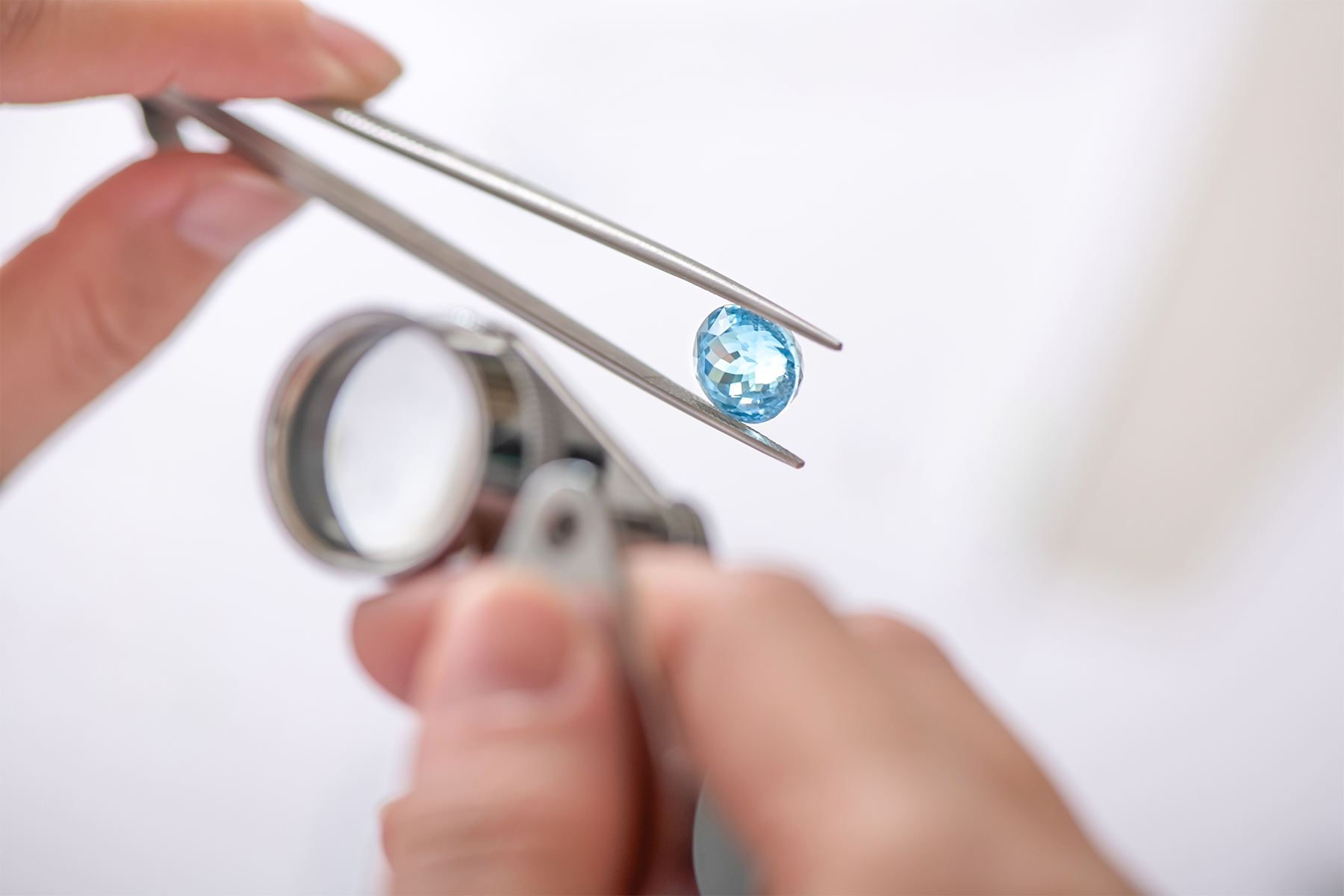
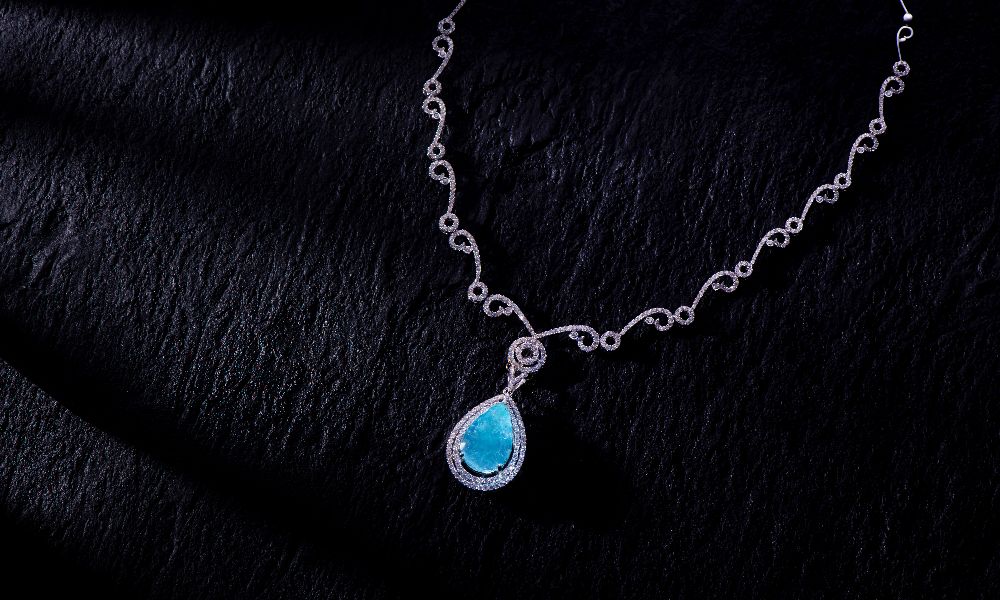
Unheated Paraíba Tourmaline, courtesy of JUSTLEE
Buying with Intent
This year's show floor was characterized by decisive action rather than casual speculation. While overall order volumes contracted due to cost pressures, purchasing accuracy surged. Top-tier retailers and brands abandoned blind restocking. Instead, they arrived with highly specific, bespoke mandates — deploying capital with pinpoint precision.
Buyers also moved with unprecedented urgency, aiming to secure premium natural roughs before further tariff and inflation shifts. Furthermore, as the lab-grown diamond (LGD) market faces relentless price wars and shrinking margins, significant capital is rotating back into natural colored gemstones to protect profitability and ensure product differentiation.
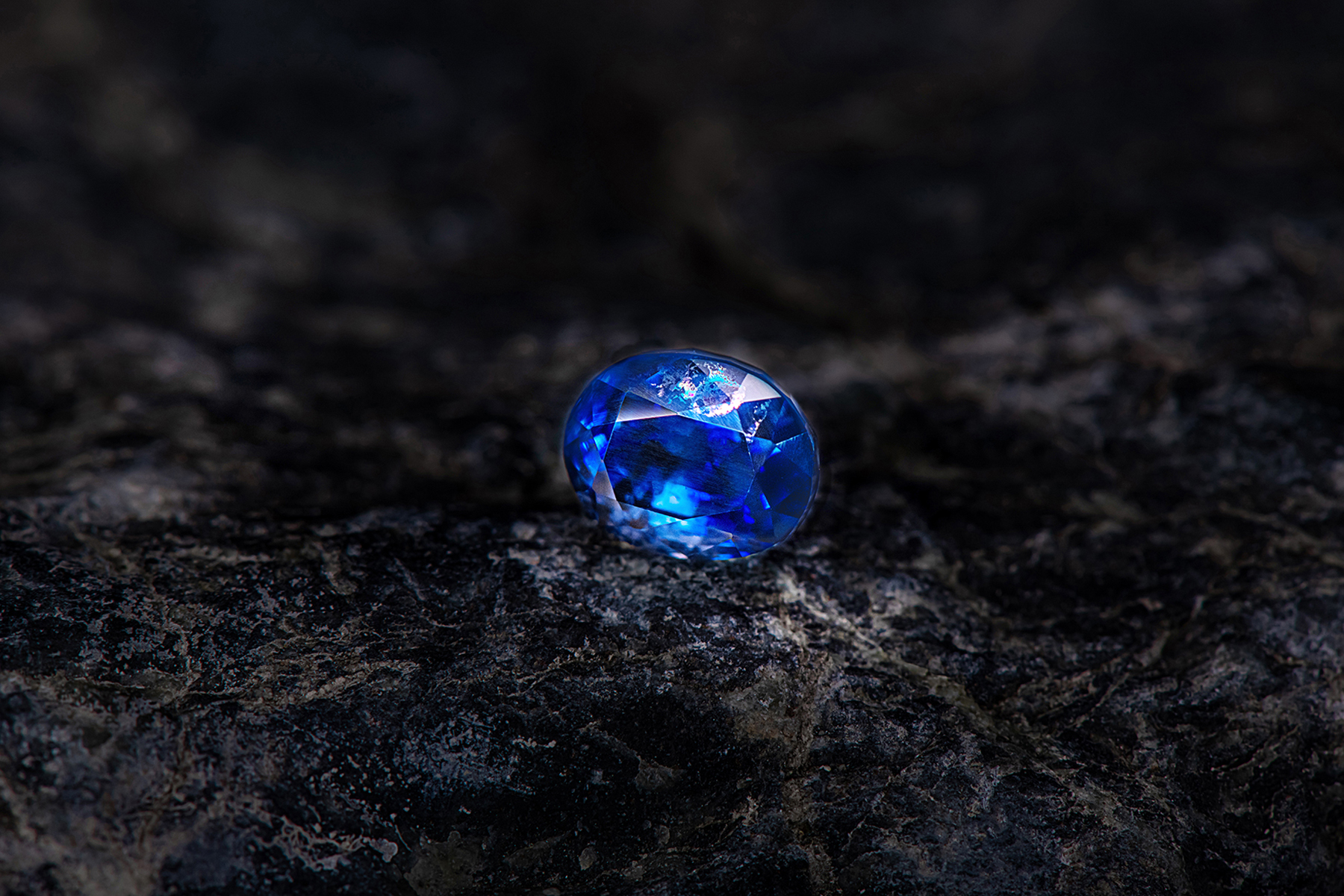
Unheated Kashmir Sapphire, courtesy of JUSTLEE
The Provenance Premium
Among corundum, top-tier unheated Royal Blue sapphires over 30 carats and large pink sapphires were highly sought after. Concurrently, demand for Montana sapphires reached an all-time high. Their US-mined origin cleanly bypasses steep import tariffs, while their distinctive teal and steel-blue hues appeal to collectors seeking unconventional aesthetics.
In rarity-driven categories, Paraíba tourmalines with exceptional fire and clarity remained fiercely competitive. Hyper-local varieties — such as Arizona's "Bluebird" azurite-malachite — also showed strong potential in the niche Haute Joaillerie space. What unites these standout categories is the same principle: a compelling geographic identity that cannot be replicated, and a story that commands a premium precisely because no other stone can tell it.
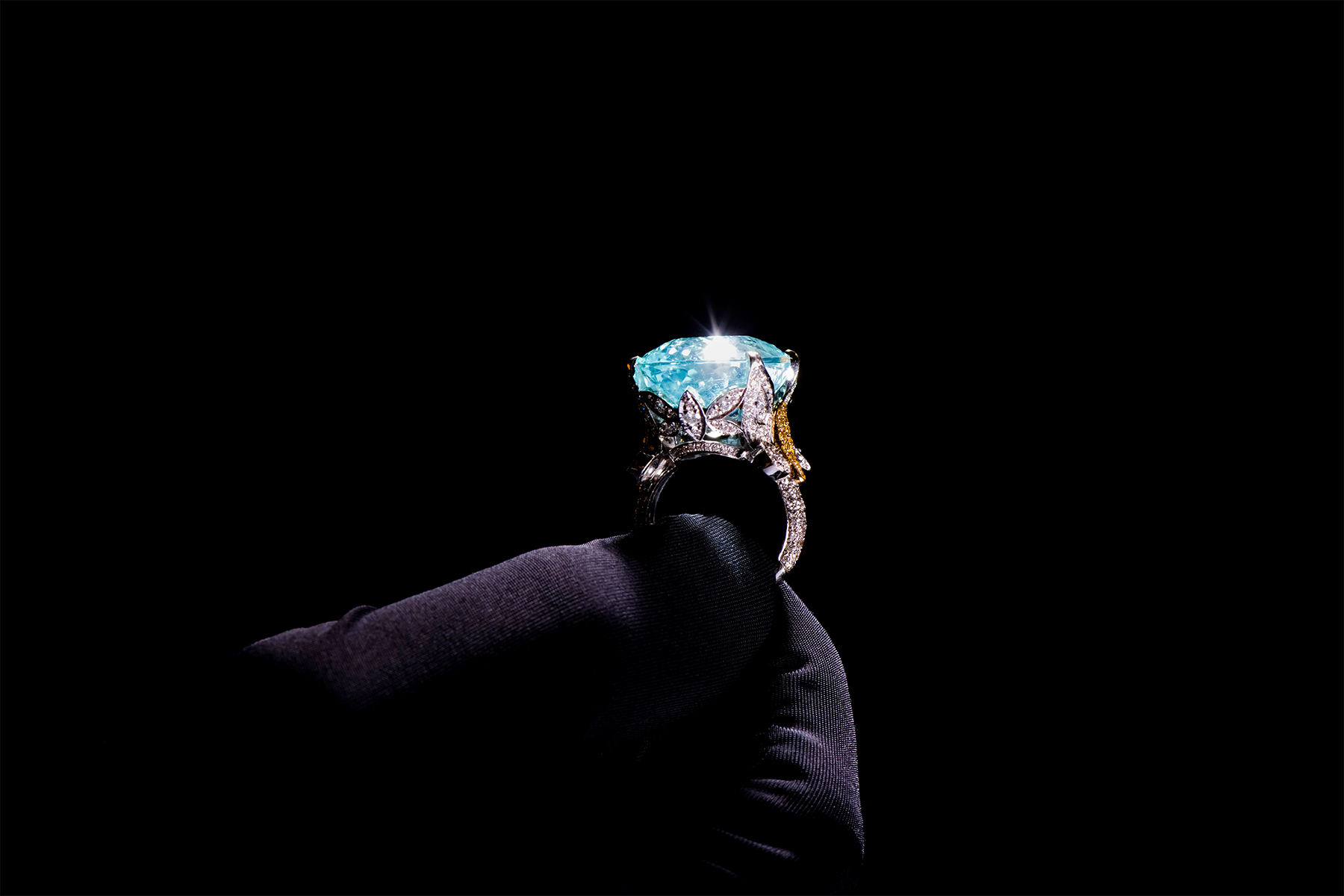
Unheated Paraíba Tourmaline, courtesy of JUSTLEE
Additionally, persistently high 18K gold costs are driving an artistic evolution in high jewelry design. We are seeing less heavy metal usage in favor of extensive gemstone pavé, the use of lightweight titanium, and the integration of Fantasy Cuts. This not only mitigates metal costs but also gives the pieces a modern, avant-garde edge.
Beyond the Metal
To navigate steep import taxes on certain origins, brands are increasingly shifting budgets toward tax-efficient regions or prioritizing stones with exceptional craftsmanship to maintain margins.
On the consumer front, high-end buyers are moving away from a blind reliance on 4C grading and gemological certificates. Instead, they are prioritizing the "gemstone journey" — stones with a compelling mine-to-finger heritage command a significant premium. This shift directly validates JUSTLEE's long-standing commitment to origin transparency and certification-first sourcing.
Additionally, persistently high 18K gold costs are driving an artistic evolution in high jewelry design. We are seeing less heavy metal usage in favor of extensive gemstone pavé, the use of lightweight titanium, and the integration of Fantasy Cuts — freeform, sculptural gemstone cuts that maximize visual impact while reducing reliance on metal volume. This not only mitigates metal costs but gives pieces a modern, avant-garde edge that resonates with a new generation of collectors.
The Enduring Value of Rarity
The 2026 Tucson GemFair proved that high-quality natural jewelry remains a highly attractive, tangible alternative asset during economic volatility.
For discerning collectors and jewelers, this is the optimal moment to refine asset allocation. As observed on the show floor: the market hasn't cooled; it has simply grown smarter. Rarity still wins. The jewelry industry is not merely trading stones — it is preserving value and cultivating enduring confidence across generations.
Frequently Asked Questions
Q: What were the standout trends at the 2026 Tucson GemFair?
The defining trend was a structural shift from volume-driven buying to precision acquisition. Buyers arrived with specific mandates rather than broad restocking briefs. Unheated, origin-certified stones commanded the strongest premiums. Montana sapphires surged on tariff advantages. Paraíba tourmalines and top Royal Blue unheated sapphires above 30 carats were among the most competitive lots.
Q: Why is capital moving from lab-grown diamonds into natural colored gemstones?
The lab-grown diamond market has experienced sustained price compression due to industrial-scale production, significantly eroding retailer margins and brand differentiation. Natural colored gemstones — particularly rare, origin-certified, untreated material — offer structural scarcity that cannot be replicated at scale, providing both margin protection and a compelling collector narrative that synthetic alternatives cannot match.
Q: What is a provenance premium in the gemstone trade?
A provenance premium refers to the additional value a gemstone commands by virtue of its verified geographic origin — for example, Kashmir for sapphires, Burma/Myanmar for rubies, or Paraíba State, Brazil for tourmalines. As advanced spectroscopic testing from laboratories such as GRS, Gübelin, and GIA has made origin determination increasingly reliable, stones from historically significant sources now trade at consistent and meaningful premiums over comparable material from other regions.
Q: What are Fantasy Cuts and why are they gaining traction in fine jewelry?
Fantasy Cuts are non-standard, freeform gemstone cuts — often sculptural, concave, or organically shaped — that prioritize visual drama and surface coverage over traditional proportional standards. As sustained high gold prices compress margins on metal-heavy designs, Fantasy Cuts offer a solution: maximizing the gemstone's visual presence while reducing the metal content required. The result is a piece that reads as more gemstone-forward, more contemporary, and more distinctive — qualities that increasingly define what today's high-jewelry collector is seeking.
Q: Is now a good time to invest in natural colored gemstones?
The 2026 Tucson GemFair reinforced what leading collectors already understand: top-quality, certificated, untreated natural gemstones have demonstrated consistent value resilience across economic cycles. During periods of monetary volatility and inflationary pressure, tangible assets with geological scarcity — particularly origin-certified colored stones — have historically maintained and appreciated in value. Gemstone acquisition at the investment grade requires expert guidance on treatment status, laboratory certification, origin verification, and market liquidity. JUSTLEE offers one-on-one advisory consultations for collectors at all stages of their journey.
 Facebook
 Instagram
 Line
Line