

動態
JUSTLEE Insights
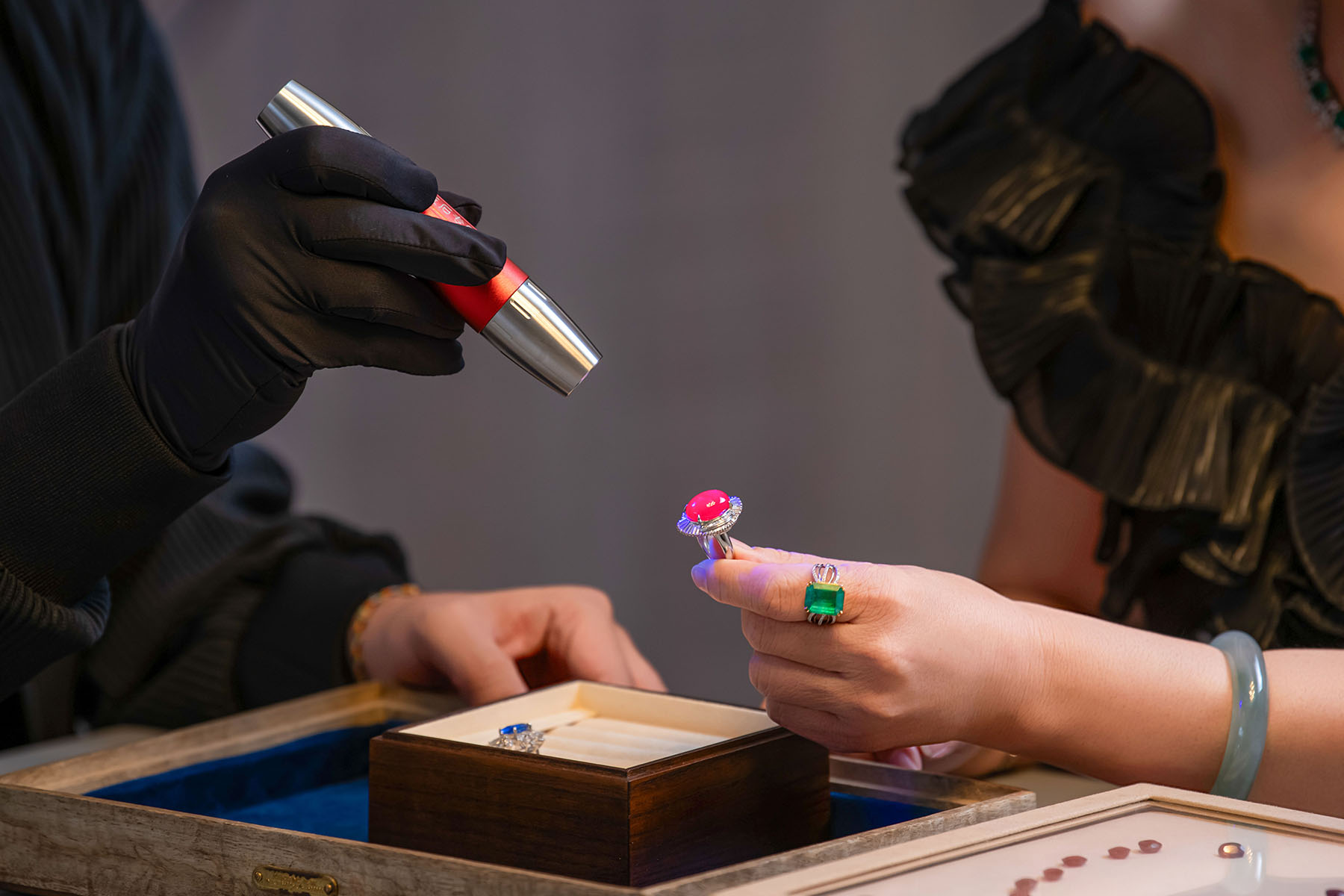
Why Are Gemstones Gaining Ground as an Investable Asset Class?
The convergence of several macro forces has accelerated gemstone's repositioning within alternative asset portfolios. Persistent monetary easing, elevated geopolitical risk, and a growing appetite among high-net-worth collectors for tangible, non-correlated stores of value have combined to put exceptional natural gemstones — particularly untreated colored stones — squarely in the conversation alongside gold, art, and real estate.
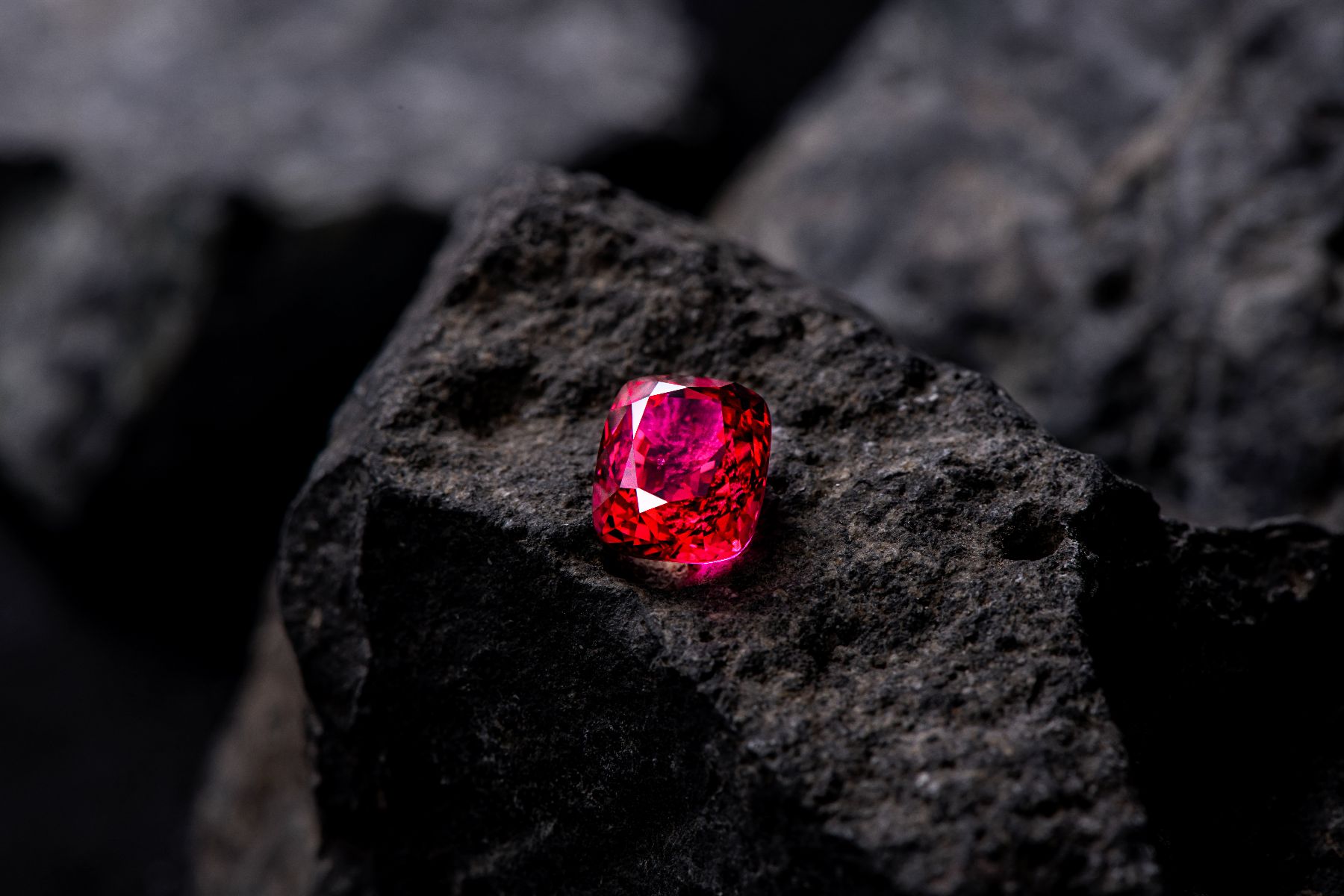
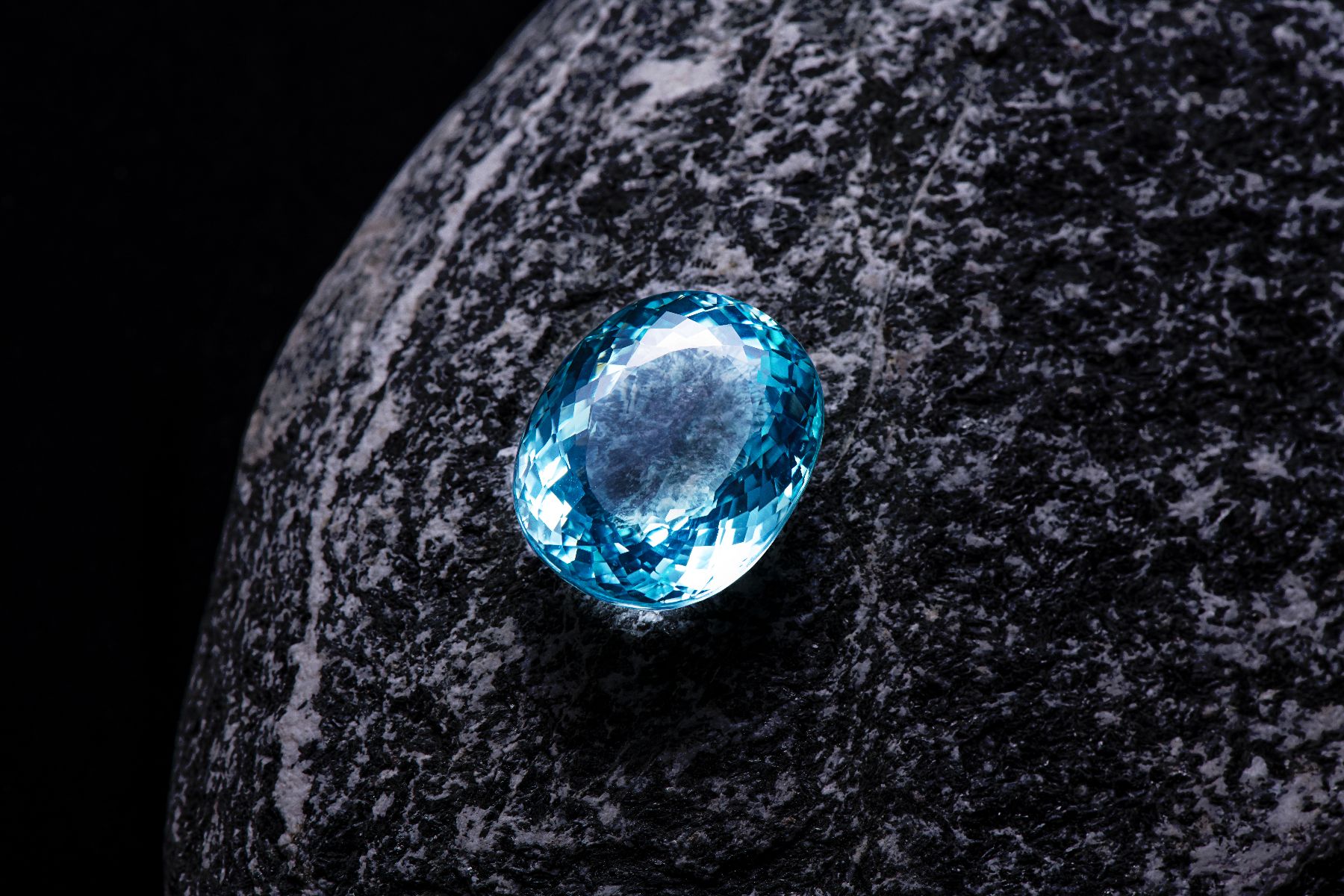
Unlike bullion, the supply of top-tier natural gemstones is structurally finite. No-heat Burmese rubies, Kashmir sapphires, and Colombian emeralds cannot be synthesized or scaled. This geological scarcity, confirmed by independent laboratory reports from institutions such as GRS or Gübelin, underpins a scarcity premium that paper assets simply cannot replicate.
What Is the "Price Anchoring Effect" — and Why Does It Matter for Gem Markets?
One of the most significant dynamics JUSTLEE observed at the 2025 fair is what we describe as the price anchoring effect: the counterintuitive phenomenon whereby sustained high prices strengthen rather than suppress market activity.
As buyers and sellers repeatedly transact at elevated benchmarks, those benchmarks cease to feel exceptional — they become the new norm. Liquidity returns. Secondary market activity accelerates. This pattern is well-documented in comparable categories such as fine art and rare wine, and it is now clearly visible in the fine gemstone trade.
For collectors entering the market, this dynamic reinforces a fundamental principle: waiting for prices to fall on investment-grade stones is rarely a sound strategy. Scarcity compounds over time; desirability follows.
The "Not for Sale" Signal — How Mineral Specimens Shape Market Confidence
A detail that seasoned observers will have noticed at the fair: a number of exhibitors displayed high-quality mineral specimens labeled explicitly as "not for sale." At first glance, this appears to be a curatorial choice. In practice, it functions as one of the most effective market signals in the trade.
When a seller chooses to withhold a specimen from the market entirely, it communicates two things simultaneously: that the material is rare enough to justify retention, and that the seller's conviction in its future value exceeds any current offer. For buyers browsing adjacent inventory, this silent statement functions as a price anchor — a tangible reminder of what the category's ceiling looks like.
JUSTLEE's Perspective: Value Beyond the Price Tag
At JUSTLEE, we hold a clear conviction: the enduring value of a gemstone is not reducible to its current market price. It is rooted in the shared human recognition of something irreplaceable — a condensed geological history, an aesthetic achievement, and increasingly, a rational store of wealth in a world reassessing the meaning of money.
Our presence at the 2025 Hong Kong Jewellery Show was not simply to observe these trends. It was to engage with them — alongside the collectors, dealers, and institutions who are actively rewriting the rules of gemstone valuation. This is the conversation JUSTLEE was built to be part of.
Frequently Asked Questions
Q: Are gemstones a reliable hedge against inflation?
A: Natural, untreated fine gemstones — particularly top-origin colored stones — have historically demonstrated value resilience in inflationary environments. Unlike currency-denominated instruments, their value is governed by geological rarity and collector demand rather than monetary policy. That said, gemstone investment carries its own risk profile and requires expert guidance on provenance, treatment status, and certification.
Q: What makes a gemstone suitable for investment or collection?
A: The key criteria applied by serious collectors and the trade include: natural origin with no heat treatment or enhancement, a recognized country of origin with premium provenance (e.g., Kashmir, Burma/Myanmar, Colombia), certification from a top-tier gemological laboratory (GRS, Gübelin, SSEF, or GIA), and sufficient carat weight to register meaningfully in the market — typically one carat or above for colored stones, higher for diamonds.
Q: What were the standout trends at the 2025 Hong Kong Jewellery Show?
A: The most significant structural trend was the shift from per-piece to per-carat pricing across multiple exhibitor categories, signaling that the trade now views fine gemstones through an asset lens rather than a retail one. Secondary trends included heightened demand for certified untreated stones, increased presence of institutional and collector buyers, and a blurring of the boundary between investment-grade minerals and gem-quality material.
Q: How does JUSTLEE approach gemstone sourcing and valuation?
A: JUSTLEE specializes in exceptional loose gemstones and bespoke fine jewelry, with an emphasis on stones carrying internationally recognized certifications. The brand works with collectors to identify pieces that meet both aesthetic and investment-grade standards — a dual consideration that increasingly defines how the most discerning buyers approach the category.
 Facebook
 Instagram
 Line
Line