

- Home
- Trend & News
- All
動態
JUSTLEE Insights
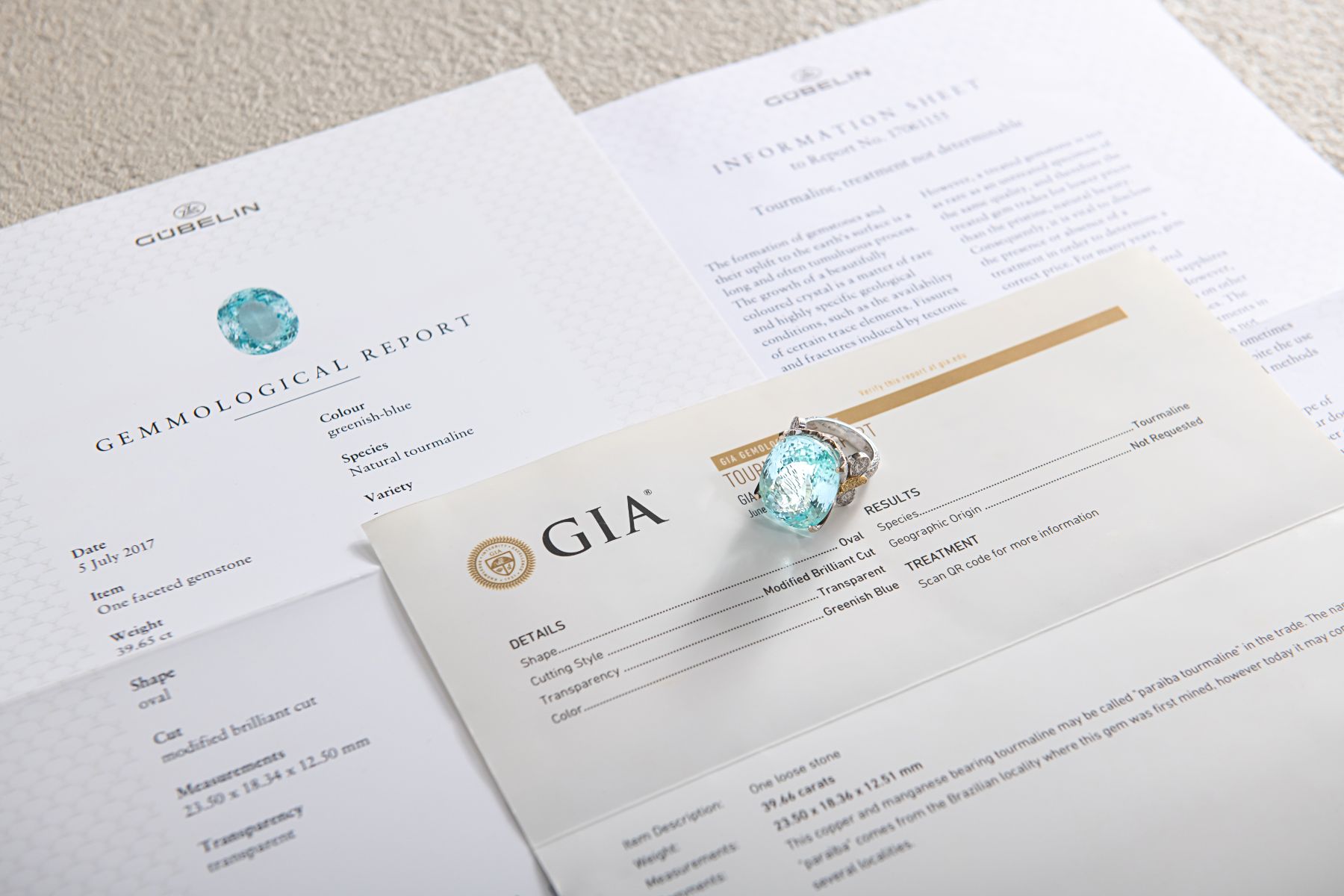
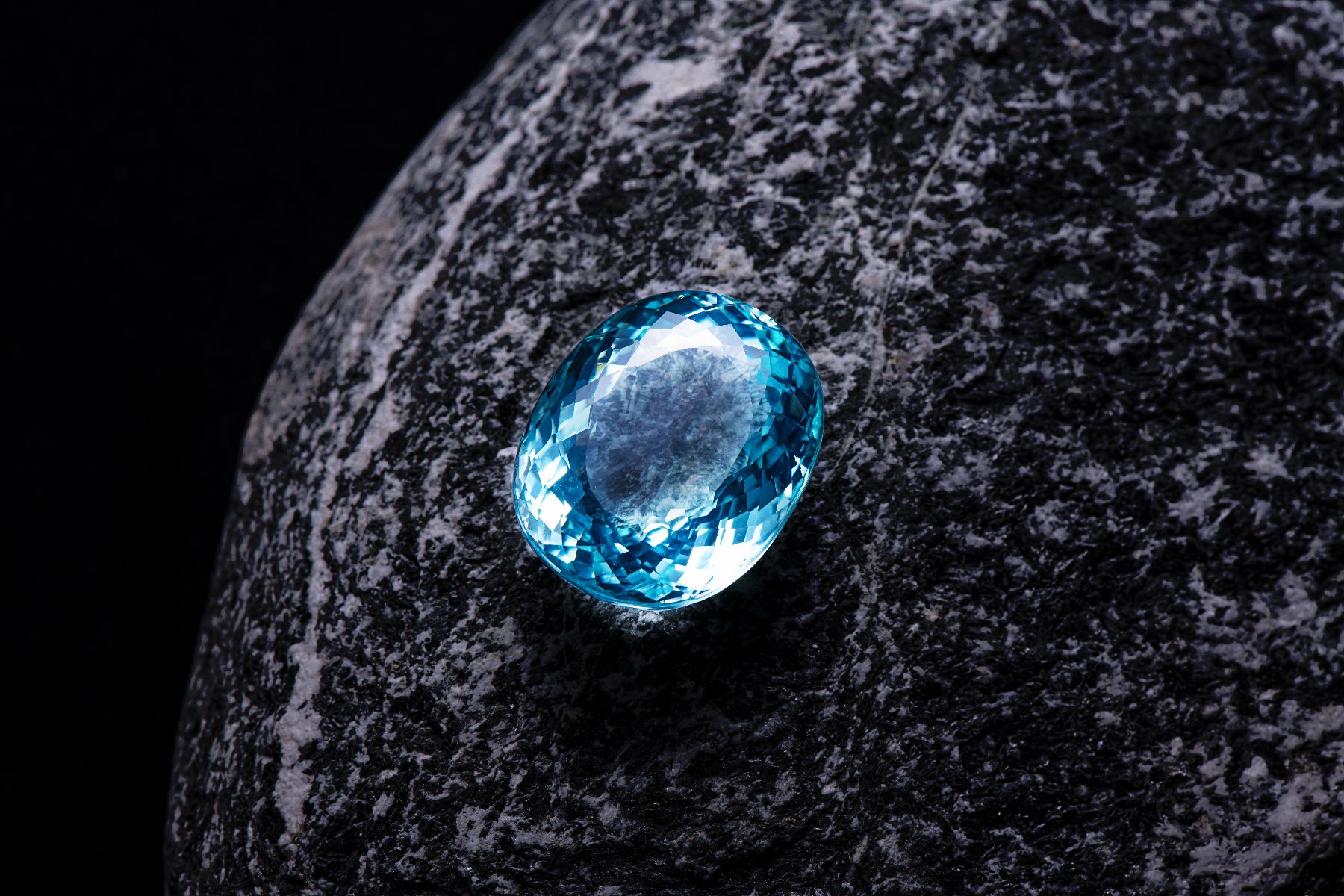
Paraíba tourmaline is a copper- and manganese-bearing lithium tourmaline (elbaite), distinguished by an electric blue-to-green glow unlike any other member of the tourmaline family. What sets it apart is its coloring agent: most blue and green tourmalines owe their color to iron or chromium, whereas only stones colored by copper (Cu) and manganese (Mn) meet the definition of Paraíba. This chemistry produces a fluorescent, almost lit-from-within intensity that neither aquamarine nor any other tourmaline can replicate. Paraíba is exceptionally scarce. First discovered in the late 1980s in the Brazilian state of Paraíba, it was later found in Nigeria and Mozambique; material from all three sources, once confirmed by an internationally recognized laboratory, is legitimately classified as Paraíba tourmaline.
Why Is Paraíba Tourmaline So Rare?
Paraíba's rarity rests on two foundations: geological conditions and the history of its deposits. Its color requires copper and manganese to occur together within the tourmaline crystal lattice — a combination that is itself extraordinarily uncommon and absent from ordinary tourmaline deposits. The original Brazilian veins were small in scale and were nearly exhausted within a few years of discovery. Although further sources were later found along the geological formation, Brazilian crystals tend to be small, clean material is scarcer still, and clean rough exceeding a few carats has always been a rarity.
Most Paraíba in circulation falls at around one carat. The larger and more saturated the individual stone, the lower the probability of its occurrence — which is precisely why large-carat Paraíba occupies the summit of the collecting market.
How Do Brazilian, Mozambican, and Nigerian Paraíba Differ?
The three principal sources each carry their own chemical signature and market position, but one common misconception should be cleared up first: origin does not determine whether a stone is Paraíba — chemistry does. According to the consensus of the LMHC (Laboratory Manual Harmonization Committee, whose members include Gübelin, SSEF, and GIA), blue, blue-green to green tourmaline colored principally by copper and manganese, at the appropriate saturation, may be called Paraíba regardless of where it was mined; origin is disclosed separately in the report. Mozambican Paraíba is therefore a correct and formal designation, not a lesser stone trading under a borrowed name.
The three sources do differ in composition, and origin cannot be determined by standard gemological testing alone — it requires quantitative chemical analysis. Brazilian material tends to show a relatively higher copper content, while Mozambican material carries a different trace-element fingerprint in gallium and tin. This is why establishing the origin of a large-carat Paraíba typically calls for a report from an international laboratory equipped for trace-element analysis.
The three sources compare as follows:
| Origin | Discovered | Compositional signature | Market position |
|---|---|---|---|
| Brazil | Late 1980s | Relatively higher copper content | The original source; highest historical rarity; a clear per-carat premium at comparable quality and size |
| Nigeria | 2001 | Copper- and manganese-bearing; color close to Brazilian | Generally cleaner; more accessible pricing |
| Mozambique | Early 2000s | Higher gallium and tin trace elements | Largest production; the source of large-carat stones; recognized by the auction houses |
Sotheby's has identified Mozambique as the world's largest producer of Paraíba tourmaline and one of the leading sources of top-quality colored stones. In the context of large-carat collecting, then, Mozambican origin is not a fallback choice but the source of a specific kind of scarcity.
Is Most Paraíba Tourmaline Heated?
This is the single most important and most often overlooked, point in understanding the Paraíba market. According to SSEF, Paraíba is routinely heat-treated, and this holds especially true for large-carat stones. Mozambican material in particular, apart from stones in the green to yellowish-green range, generally requires heating to develop the blue-green hue the market seeks. Heating is an internationally disclosed and accepted treatment, falling within the category of low-temperature enhancement.
Precisely because heating is the market norm, unheated Paraíba is exceptionally scarce — and an unheated stone of large carat weight is scarcity within scarcity. This is best understood as a matter of fact rather than of ranking: heated and unheated Paraíba are both internationally recognized, and the distinction between them concerns natural completeness, not superiority. A low-temperature-enhanced Paraíba, provided its treatment is honestly disclosed in the report, is a legitimately traded stone.
The record price bears this out. On 10 December 2025, at Christie's Magnificent Jewels sale in New York, a Tiffany & Co. Paraíba tourmaline necklace sold for US$4.223 million, setting a world auction record for the category. Its principal stone was a 13.54-carat triangular modified brilliant cut, achieving roughly US$311,890 per carat — the highest per-carat price on record. The piece came from the Draime Collection with concurrent reports from AGL and Gübelin, an origin determination of Brazil, and an AGL finding of low-temperature heat treatment. In other words, the very stone that set the world record for Paraíba was itself heated — a fact that both illustrates how common heating is in this category and throws the rarity of unheated Paraíba into sharp relief.
How Do You Assess a Paraíba's Collector Value?
A Paraíba's collector value is judged against several verifiable conditions rather than any single factor. The first is international certification. For any Paraíba above one carat, a report from an international laboratory such as Gübelin, SSEF, GRS, or AIGS has become a precondition of sale; the report confirms not only the variety and the cause of color but also discloses origin and treatment status, and it is the foundation of any assessment.
The second is treatment status, read through precise report language. On an SSEF report, a stone gemologically confirmed as unheated is noted in the comments field as "No Indications of Heating"; where evidence of heating is present, the report states "Indications of Heating." This wording is the most direct basis for establishing unheated status, and a collector should rely on the exact language of the report rather than on a verbal claim.
The third is carat weight and saturation. At equivalent treatment status and origin, the larger and more saturated the stone, the rarer it is — which is why the market responds so decisively to particular combinations. In June 2026, at Sotheby's High Jewelry auction in New York, a private collection of five Paraíba tourmalines realized a combined US$3.4 million; the group was led by a 7.70-carat oval Brazilian Paraíba that sold for US$1.4 million, close to three times its high estimate. The sale totalled US$43.4 million with 98% of lots sold and more than a third of purchases made online — a reflection of the sustained strength of demand at the top of the colored-stone market.
The scarcity of large-carat unheated stones is also borne out in Mozambican material. Sotheby's offered a 93.94-carat Mozambican cuprian tourmaline named "The Blue Lagoon" at its Magnificent Jewels sale in Geneva, estimated at CHF 1.3–2.5 million (approximately US$1.4–2.7 million) and described by the house as the largest top-quality Paraíba ever to come to auction, accompanied by an SSEF report with an appendix. The stone confirms that "Mozambican + large-carat + unheated" is a specific scarce combination now recognized by the auction houses and pursued by the market.
JUSTLEE's Fifty Years of Curation Standards and Perspective
Among colored stones, Paraíba is one of the varieties that most clearly embodies the value of natural completeness. When low-temperature enhancement is the market norm, the unheated large-carat stone becomes scarcity within scarcity. JUSTLEE's selection standard follows exactly this logic in order of priority: unheated status is confirmed first, then international certification, then color, and origin last. This sequence reflects a commitment to a stone's natural essence — treatment status and certification are verifiable, objective conditions, upon which color and origin then complete the picture of a considered acquisition.
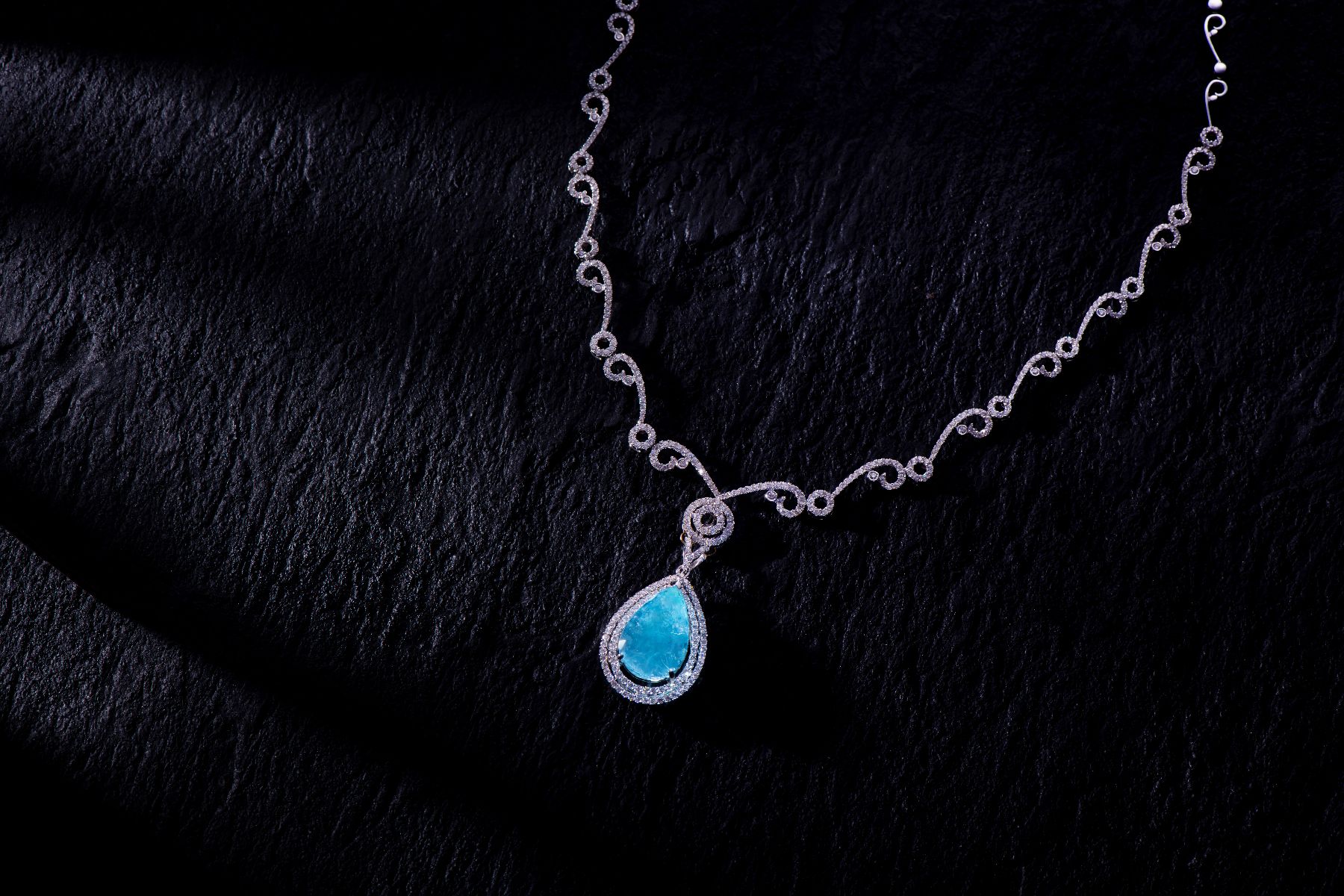
Consider a 17-carat unheated Mozambican Paraíba tourmaline necklace curated by JUSTLEE. Its value lies not in comparison against the Brazilian premium, but in the scarce combination of "unheated + large-carat + Mozambican" in itself — a collecting logic recognized by the auction houses and supported by fact rather than marketing.
Check more JUSTLEE curated unheated Paraíba Tourmaline
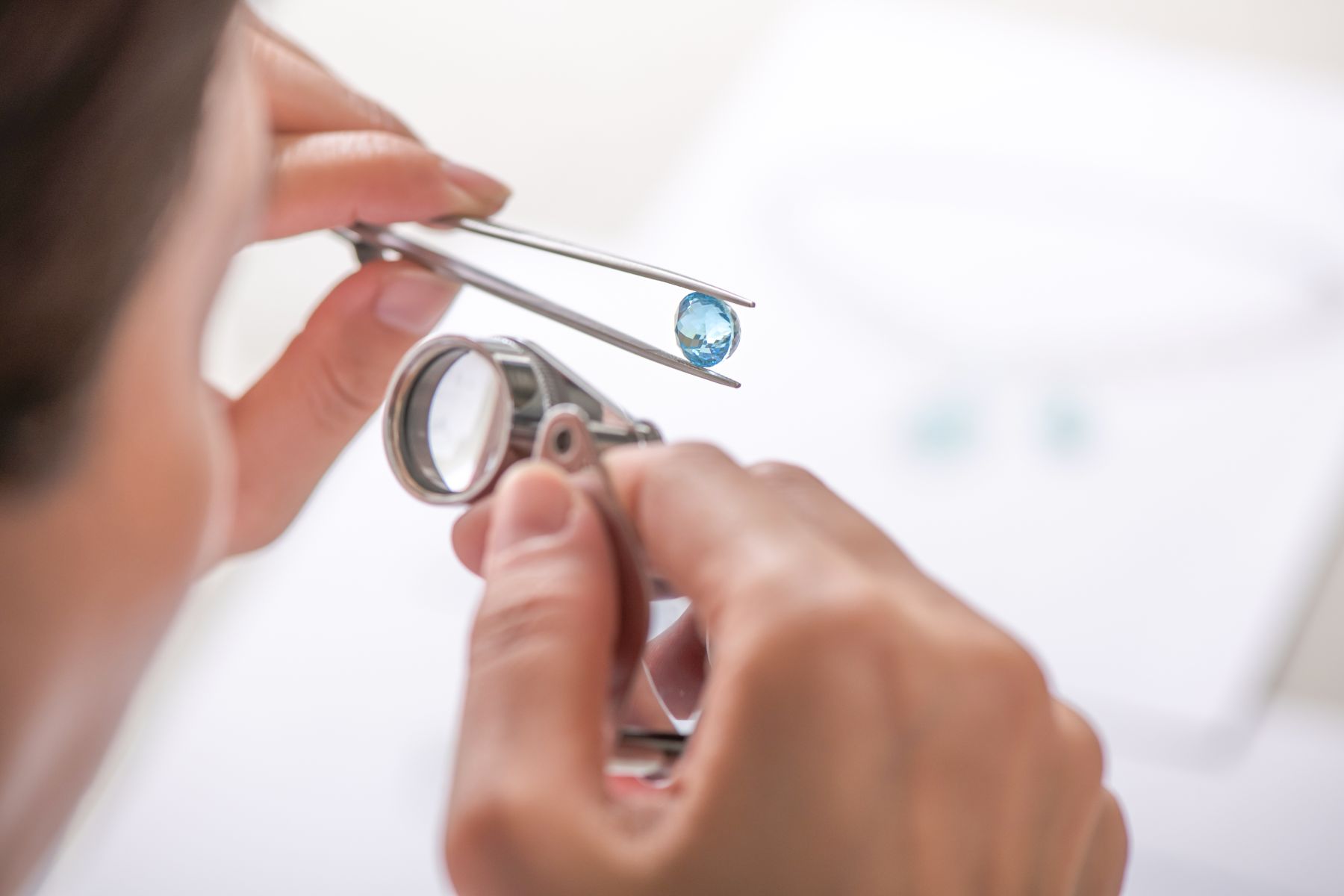
This article was compiled by the JUSTLEE Consultant Team, drawing on published material from international laboratories including GRS, Gübelin, SSEF, GIA, and AIGS, and on public auction records from Christie's and Sotheby's. All auction data is stated with house, location, year, and specification, and treatment terminology follows the exact wording of international laboratory reports.
FAQ
Q: Why is Paraíba tourmaline more expensive than diamond?
A: Paraíba's price reflects its extreme scarcity. The trade commonly frames its rarity with the notion that a Paraíba surfaces for perhaps every ten thousand diamonds mined; diamonds, while precious, are produced globally in far greater volume. Paraíba's original Brazilian deposits are nearly exhausted, large stones of full saturation are exceptionally rare, and supply is finite against steady demand. For top-tier stones, Paraíba can exceed the per-carat price of a comparably sized diamond, as the roughly US$311,890 per-carat world record set at Christie's in 2025 demonstrates.
Q: Is Mozambican Paraíba inferior?
A: No. Under the LMHC's definition of the category, blue-green tourmaline colored principally by copper and manganese may be formally called Paraíba whether it originates in Brazil, Nigeria, or Mozambique. Sotheby's recognizes Mozambique as the world's largest producer and a leading source of top-quality colored stones, and many large-carat collector-grade examples come from there. Origin affects the compositional fingerprint and the logic of market premiums — Brazilian material, by virtue of its historical standing, typically commands a higher per-carat price at comparable quality — but this reflects rarity and history, not a judgement of quality.
Q: How can you confirm that a Paraíba is unheated?
A: Unheated status must be established by an international laboratory report. With SSEF, for example, a stone gemologically confirmed as unheated is noted in the comments field as "No Indications of Heating"; where evidence of heating is found, the report states "Indications of Heating"; and where the matter cannot be determined conclusively, the report sets this out in explanatory wording. A collector should rely on the exact language of the report rather than on a seller's verbal assurance. For large-carat stones, a report from a laboratory equipped for trace-element analysis is especially important.
Q: How can Brazilian and Mozambican Paraíba be told apart?
A: The origin of a Paraíba cannot be reliably determined by the eye or by standard gemological testing; it requires quantitative chemical analysis. Brazilian material tends to carry a relatively higher copper content, while Mozambican material shows a different signature in trace elements such as gallium and tin. These compositional fingerprints are the basis on which international laboratories make an origin determination — which is why establishing origin must be left to an institution equipped for such analysis, and cannot be replaced by ordinary market inspection.
Q: Is the color of Paraíba tourmaline natural?
A: Two things need to be distinguished. The cause of Paraíba's color is natural — its blue-green hue arises from trace copper and manganese present within the crystal itself, not from dye or coating. However, the blue-green tone of most Paraíba (Mozambican material in particular) is enhanced or altered through low-temperature heating, an internationally disclosed and accepted treatment. So the cause of Paraíba's color is natural, while whether a given stone's tone has been enhanced by heating depends on the treatment status disclosed in its report.
Q: How does Paraíba differ from ordinary blue tourmaline and aquamarine?
A: The fundamental difference lies in the coloring agent and the resulting visual character. Ordinary blue tourmaline is colored mainly by iron or chromium and lacks Paraíba's electric fluorescence; Paraíba, colored by copper and manganese, glows as though lit from within. Aquamarine belongs to the beryl family, with a clearer, sky-blue tone that, while close to certain Paraíba hues, carries none of Paraíba's fluorescent effect. Only copper- and manganese-bearing lithium tourmaline meets the definition of Paraíba, and that compositional condition is the heart of the distinction.
Q: For a Paraíba, should origin or unheated status come first?
A: Both inform the judgement, but a collector should first confirm the verifiable, objective conditions — international certification and treatment status — before turning to origin and color preference. Unheated status represents a stone's natural completeness and is exceptionally scarce in large-carat examples; origin affects historical rarity and the logic of market premiums. The ideal sequence is to confirm variety, unheated status, and origin through international reports, then assess carat weight and saturation together — rather than deciding on an origin label or a verbal description alone.
More News
-
JUSTLEE Insights
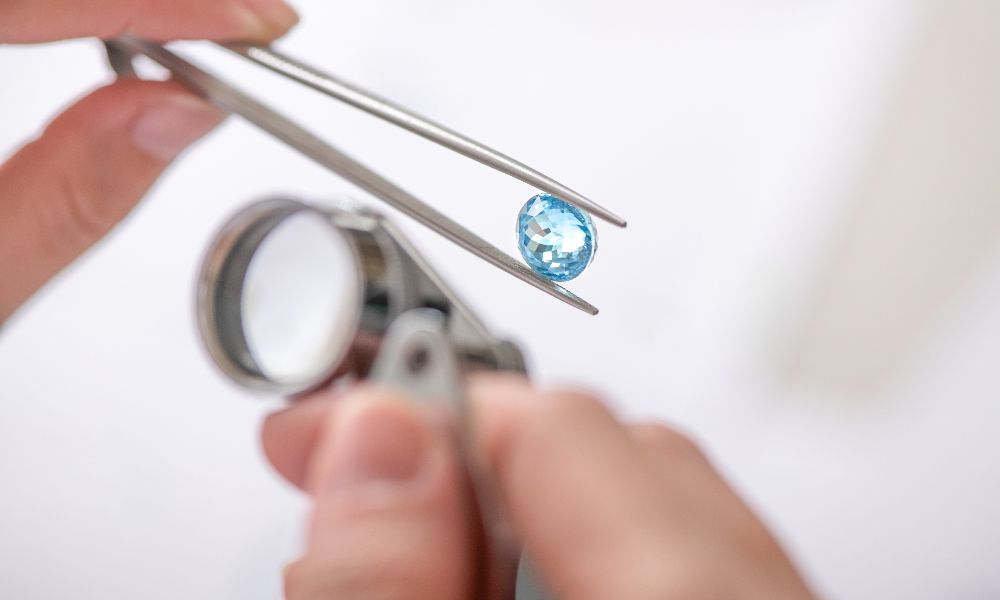
2026 - 10 - 14Autumn 2026 Colored Gemstone Market Review: Rubies Lead Sotheby’s Hong Kong as Ethiopia Joins the Paraíba Origins -
JUSTLEE Insights
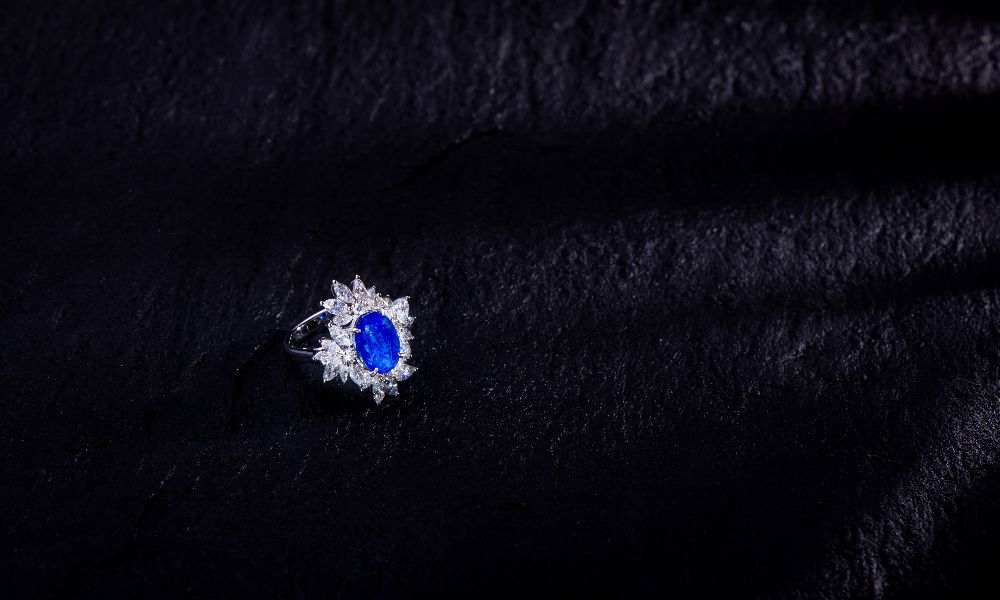
2026 - 09 - 15Sapphire Collecting Guide: From Color Grading and Origin Identification to Unheated Quality and International Gemological Standards
 Facebook
 Instagram
 Line
Line