

- Home
- Trend & News
- All
動態
JUSTLEE Insights
Autumn 2026 brought a series of significant announcements from international auction houses, mining companies and leading gemological laboratories. Drawing on these public records, the JUSTLEE Consultant Team reviews the developments collectors should note this season: rubies took the top three lots at Sotheby's Hong Kong High Jewelry sale, premium-grade ruby output declined at Mozambique's principal mine, and GIA and the Gübelin Gem Lab confirmed Ethiopia as a new source of Paraíba tourmaline.
Sotheby's Hong Kong High Jewelry: A Fifth Consecutive Season of Growth, Led by Rubies
On September 17, 2026, Sotheby's High Jewelry sale in Hong Kong realized HK$267,528,960 (approximately US$34.1 million). According to Sotheby's, the result marked the fifth consecutive season of growth in sale total for its High Jewelry sales in Hong Kong.
Rubies took the top three lots: a Mauboussin Art Deco ruby and diamond necklace from the 1930s (HK$16 million), a pair of Burmese ruby and diamond pendant earrings set with stones of 5.20 and 5.08 carats (HK$12.8 million), and a 5.06-carat Burmese ruby and diamond ring (HK$12.8 million). For the earrings, reports from SSEF and the Gübelin Gem Lab both state no indications of heating, and the SSEF report describes the color as pigeon blood red.
Bidders came from 32 countries, and 46% were aged 40 or under. Stewart Young, Head of Jewelry at Sotheby's Asia, observed that natural gemstones combining rarity, outstanding color, desirable origin and exceptional quality are increasingly able to achieve top prices without a famous maker's name.
Sources: Sotheby's Hong Kong, IDEX
Jewellery & Gem WORLD Hong Kong: Buyer Attendance at a Post-Pandemic High
At Jewellery & Gem WORLD Hong Kong the same month, organizer Informa Markets reported 57,632 unique buyers, up 4.5% year over year and the highest figure since the pandemic. Buyers came from 149 countries and regions, with attendance from North America up 24.2% and from Central Asia up 42.2%.
Sources: Informa Markets, Mines to Market
Gemfields and Fura Gems: The Latest from Ruby Producers
Mozambique is now one of the principal sources of ruby on the international market. Gemfields, a leading colored gemstone miner, reported that premium-grade ruby recovery at its Montepuez ruby mine in northern Mozambique was 0.025 carats per tonne in the first half of 2026. For the first five months of the year, the figure was 0.03 carats per tonne, half the 0.06 carats per tonne recorded in 2025. The company expects production volumes and quality mix to remain affected for the rest of 2026.
Fura Gems, another ruby producer in Mozambique, held a ruby auction in Bangkok from August 24 to September 1, selling 116 of the 121 lots offered. Chief Commercial Officer Rupak Sen cited particularly remarkable interest in the company's larger rubies.
On Burma, a 2025 global supply study by the independent consultancy Geogems, published by Gemfields, notes that the country supplied up to 90% of the world's rubies in some periods, but that production has declined considerably since 2004.
Sources: Gemfields, Hargreaves Lansdown, National Jeweler
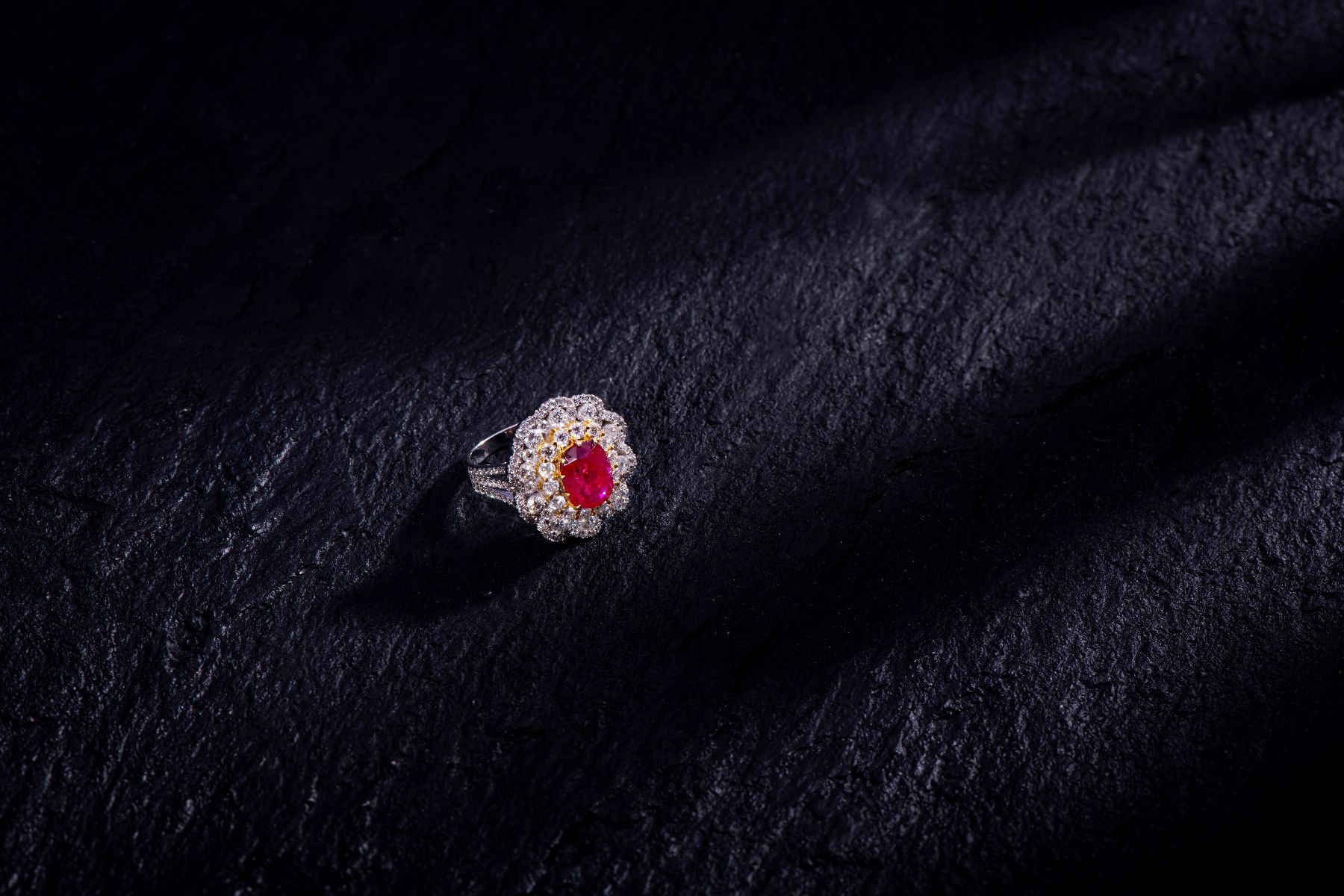
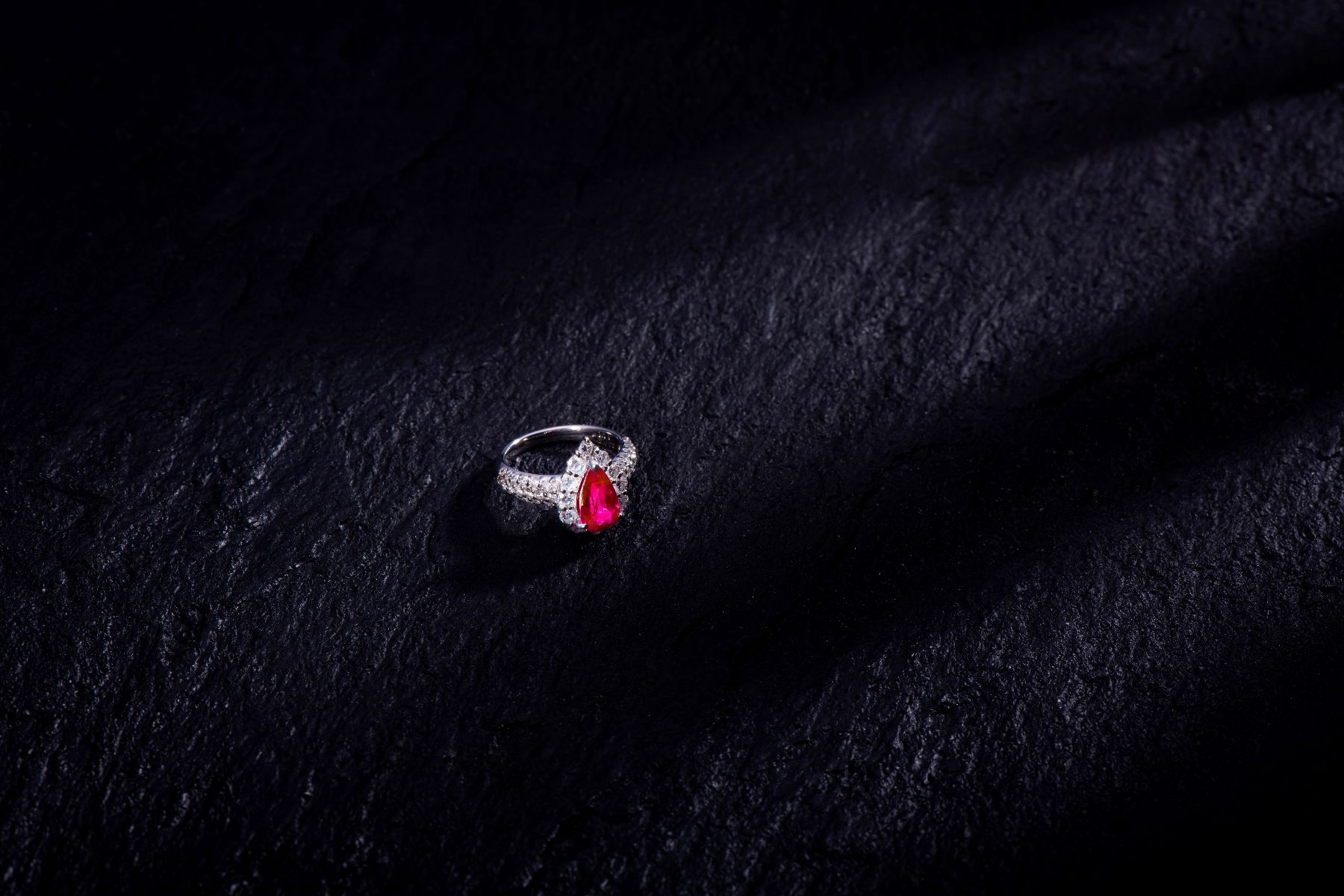
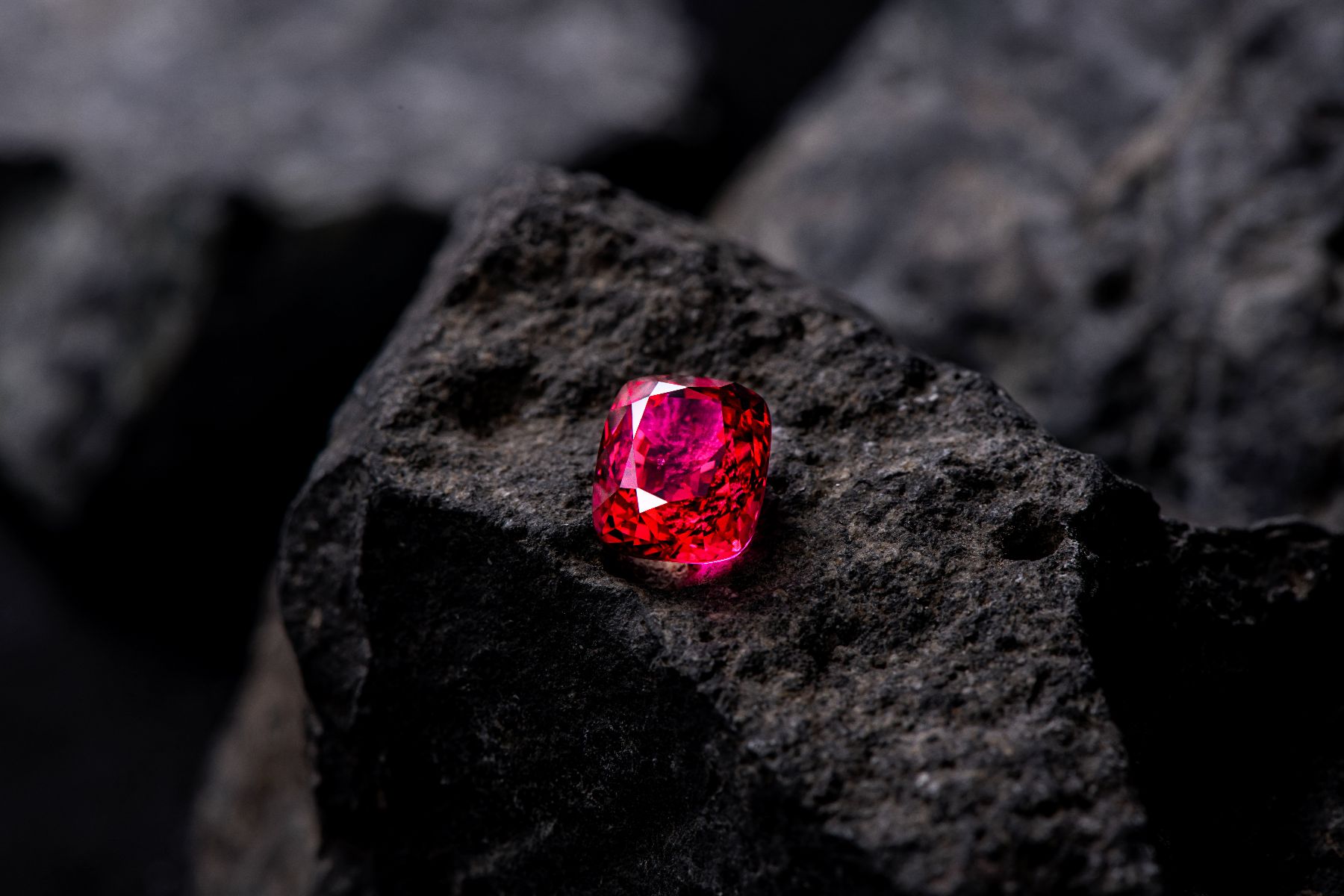
JUSTLEE Curated Gemstone | Left: Unheated Burmese Ruby · Right: Unheated Mozambican Ruby
GIA and Gübelin Confirm Ethiopia as a New Source of Paraíba Tourmaline
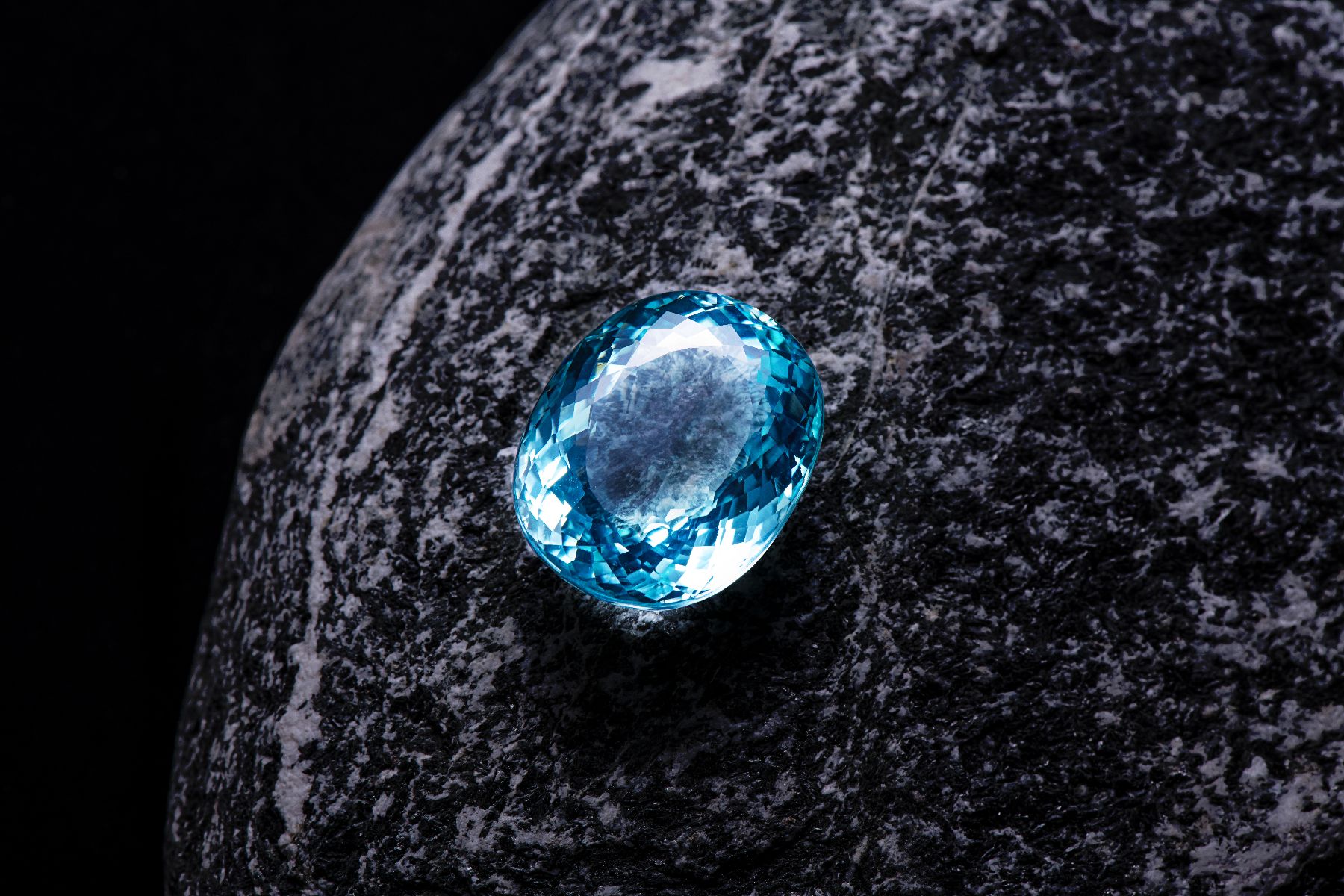
On August 27, 2026, GIA and the Gübelin Gem Lab independently confirmed Ethiopia as a new source of copper-bearing tourmaline. The material is colored predominantly by copper and meets the definition of Paraíba tourmaline set out by the Laboratory Manual Harmonisation Committee (LMHC). Known sources of Paraíba tourmaline now number four: Brazil, Nigeria, Mozambique and Ethiopia.
Both laboratories measured elevated vanadium, lead and gallium in the Ethiopian material, a chemical signature that distinguishes it from other origins. GIA has stated that it can now identify Ethiopia as an origin on its tourmaline reports.
Sources: GIA, National Jeweler
The JUSTLEE Perspective: Scarcity You Can See on the Show Floor
At the September show in Hong Kong, the JUSTLEE team observed that Burmese rubies were relatively scarce among loose stones, where Mozambican material predominated, and that loose stones above 5 and 10 carats were noticeably fewer than two years ago. For stones of comparable weight, color and clarity, the team observed Burmese rubies quoted at roughly five times the level of Mozambican stones.These observations point in the same direction as the auction and mining data. Collector participation continues to broaden, the supply of fine material is tightening, and origin and laboratory documentation carry more weight in how value is judged. Fifty years of curation have taught us that unheated stones of confirmed origin, independently verified by multiple international laboratories, remain the foundation of any collection.
Auction results cited in this article are presented solely as market evidence of rarity and do not constitute a valuation or price guidance. All prices include buyer's premium.
Source: JUSTLEE team observations, Jewellery & Gem WORLD Hong Kong, September 2026
This article was compiled by the JUSTLEE Consultant Team from data published by international gemological laboratories including GRS, GIA and Gübelin, and from international auction records.
Frequently Asked Questions
Q: Can copper-bearing tourmaline from Ethiopia be called Paraíba tourmaline?
A: Yes. Research published by GIA and the Gübelin Gem Lab in August 2026 shows that Ethiopian material is colored predominantly by copper, which meets the LMHC definition of Paraíba tourmaline. Paraíba is a variety name rather than a statement of origin, and known sources are Brazil, Nigeria, Mozambique and Ethiopia. Collectors comparing stones should rely on the origin stated on the laboratory report.
Q: Does pigeon blood red mean a ruby is from Burma?
A: No. The Gübelin Gem Lab defines pigeon blood red as an intense, saturated and homogeneous red complemented by strong fluorescence under ultraviolet light, an inner glow produced by high chromium and low iron content. The term was historically associated with Burma, but Gübelin states that it is no longer restricted to any single region. SSEF and Gübelin harmonized their criteria in 2015. The term should be read from the report itself, together with the name of the issuing laboratory.
Q: How do Burmese and Mozambican rubies differ?
A: They form in different geological settings. According to GIA research, Burmese rubies come largely from marble-hosted deposits and show low iron and strong fluorescence, while rubies from Mozambique come from amphibole-related deposits, with iron content between that of marble-type and basalt-type stones. Laboratories determine origin from inclusions, chemistry and spectra together. Origin does not define quality: each source yields a wide range, and every stone should be judged on its own color, clarity and report.
Q: What does no indications of heating mean on a laboratory report?
A: It means the laboratory found no evidence of heat treatment during testing. GIA notes that intact rutile silk proves a ruby has not been heated at very high temperatures, while changes caused by lower-temperature heating are subtle and harder to detect. Establishing that a ruby is unheated therefore depends on a laboratory's combined analysis of inclusions and spectra. Concurrent reports from multiple international laboratories reaching the same conclusion offer the strongest available authentication.
Q: How rare are fine rubies?
A: According to the 2025 Geogems study published by Gemfields, world ruby production rarely exceeds 20 tonnes a year and has averaged about 11 tonnes over the past 39 years. Fine-quality rubies account for less than 5% of that volume, averaging about 270 kilograms a year. Add the requirements of unheated status, larger size and specific color grades, and the number of collector-grade stones is smaller still.
Q: Can auction prices be used as a guide when buying jewelry?
A: Not directly. Auction prices include buyer's premium and reflect the bidding in a single sale. Every lot differs in weight, color, clarity, origin, treatment status, laboratory reports, maker and period, and GIA notes that a single source never yields gems of uniform quality. Auction records are better read as evidence of how rare a category is and how closely collectors follow it than as a price reference for any individual stone.
References
- Sotheby's Hong Kong — High Jewelry, 17 September 2026
- Sotheby's — Pair of 5.20 and 5.08 ct Ruby and Diamond Pendent Earrings
- IDEX — Sotheby's Hong Kong Offers $2.6m Ruby Earrings
- Mines to Market — JGW September Shatters Expectations with 4.5% Attendance Jump
- Gemfields — Operational Update to 30 June 2026
- Hargreaves Lansdown — Gemfields Generates $23.1m in Auction, Warns of Montepuez Issues
- National Jeweler — Fura Gems Notes Remarkable Interest in Larger Rubies at Latest Sale
- Gemfields — Understanding the Global Supply of Emerald, Ruby and Sapphire (2025)
- GIA — GIA and Gübelin Gem Lab Confirm New Source of Copper-Bearing Tourmaline from Ethiopia
- National Jeweler — There Is a New Paraíba Tourmaline Deposit in Ethiopia
- Gübelin Gem Lab — Gemstone Colour Terms
- GIA — Mozambique Montepuez Rubies
- GIA — Ruby Quality Factors
- Gems & Gemology, Winter 2022 — Low-Temperature Heat Treatment Experiments on Burmese Ruby
 Facebook
 Instagram
 Line