

- Home
- Trend & News
- All
動態
JUSTLEE Insights
Within the system of colored gemstone curation, sapphires stand alongside rubies and emeralds as one of the most sought-after categories
What is Sapphire?
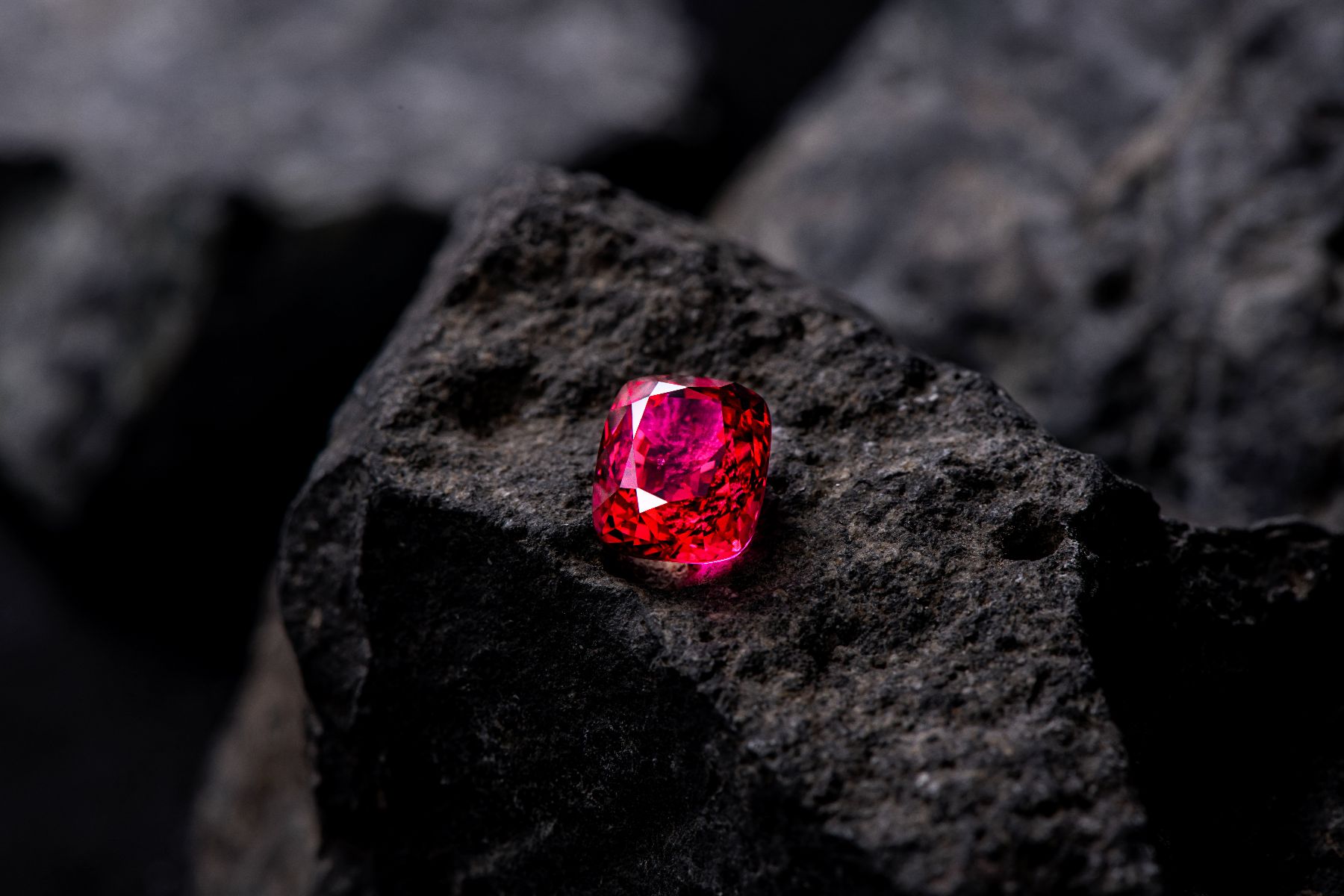
Sapphire and ruby both belong to the corundum species , possessing a Mohs hardness of 9, second only to diamond
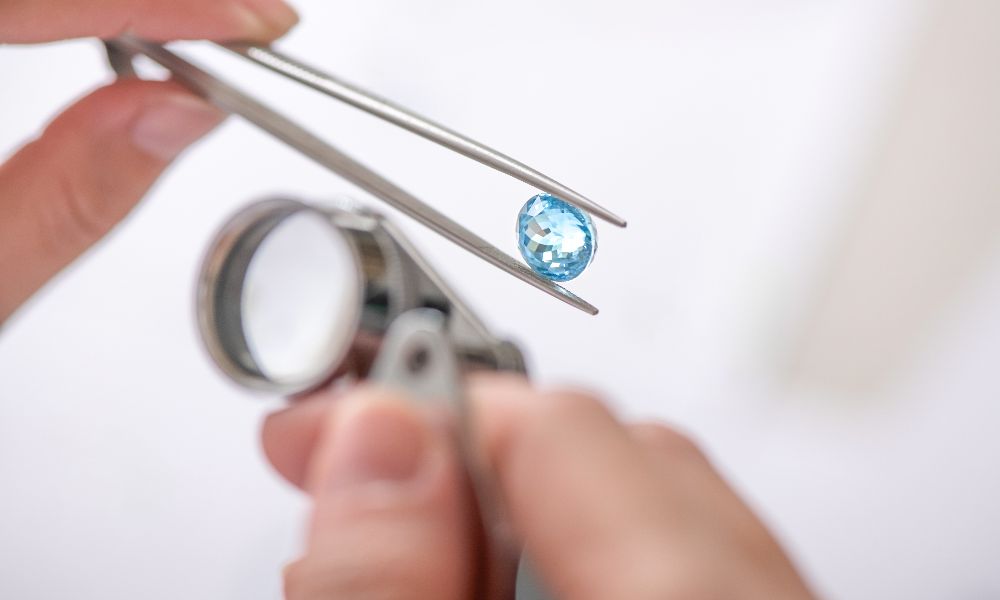
The term sapphire typically refers to blue corundum
Read more:Ruby vs Sapphire: Same Mineral Family - Why the Evaluation Logic Is Completely Different
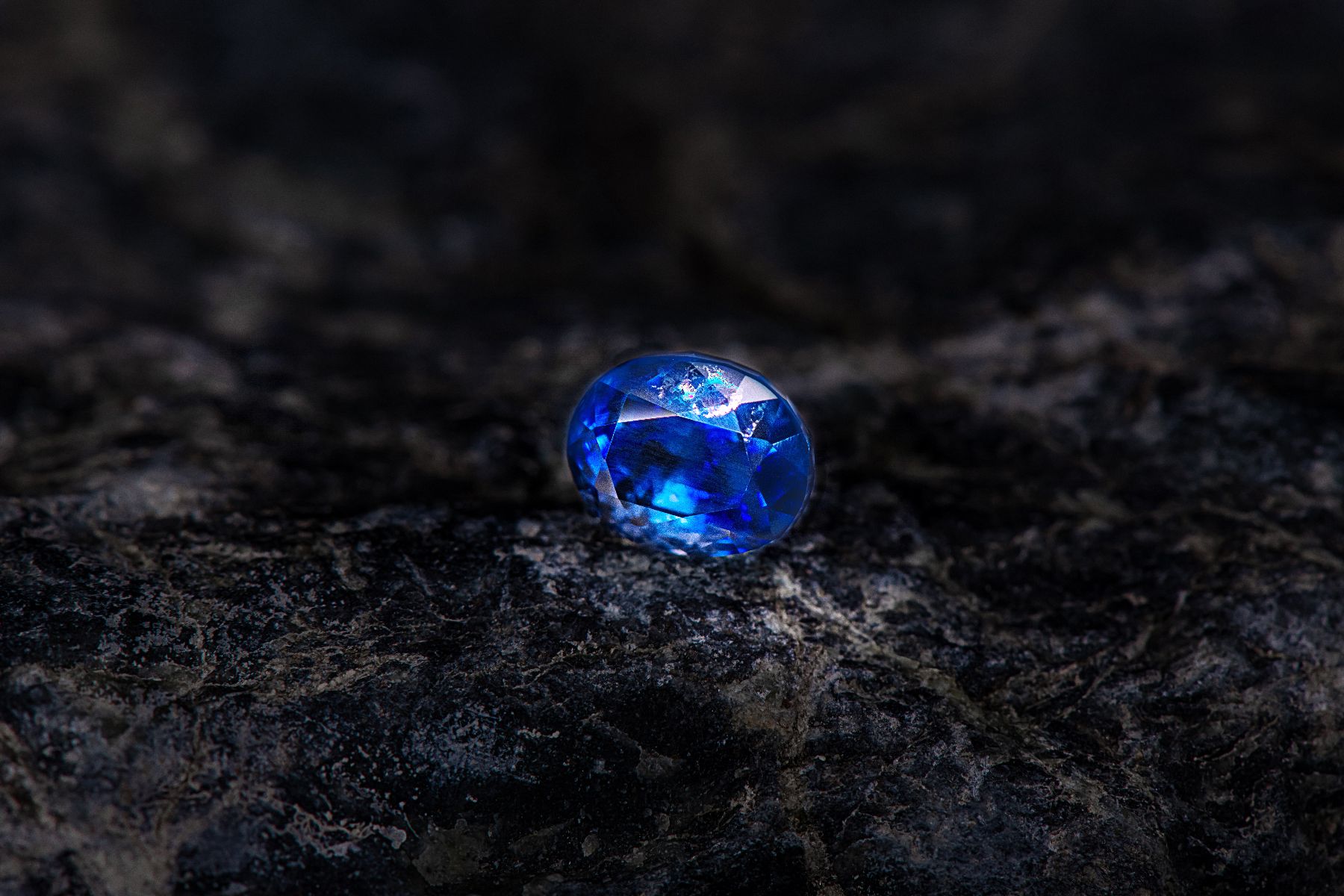
Sapphire Color Assessment: Color Grading and Classification by International Gemological Laboratories
The valuation of a sapphire depends primarily on the quality of its color
It is essential to clarify that a velvety visual texture is an optical phenomenon rather than a color grade
Read more:Royal Blue Sapphires: Color Certification Standards, Unheated Scarcity, and the
Kashmir Valuation Logic
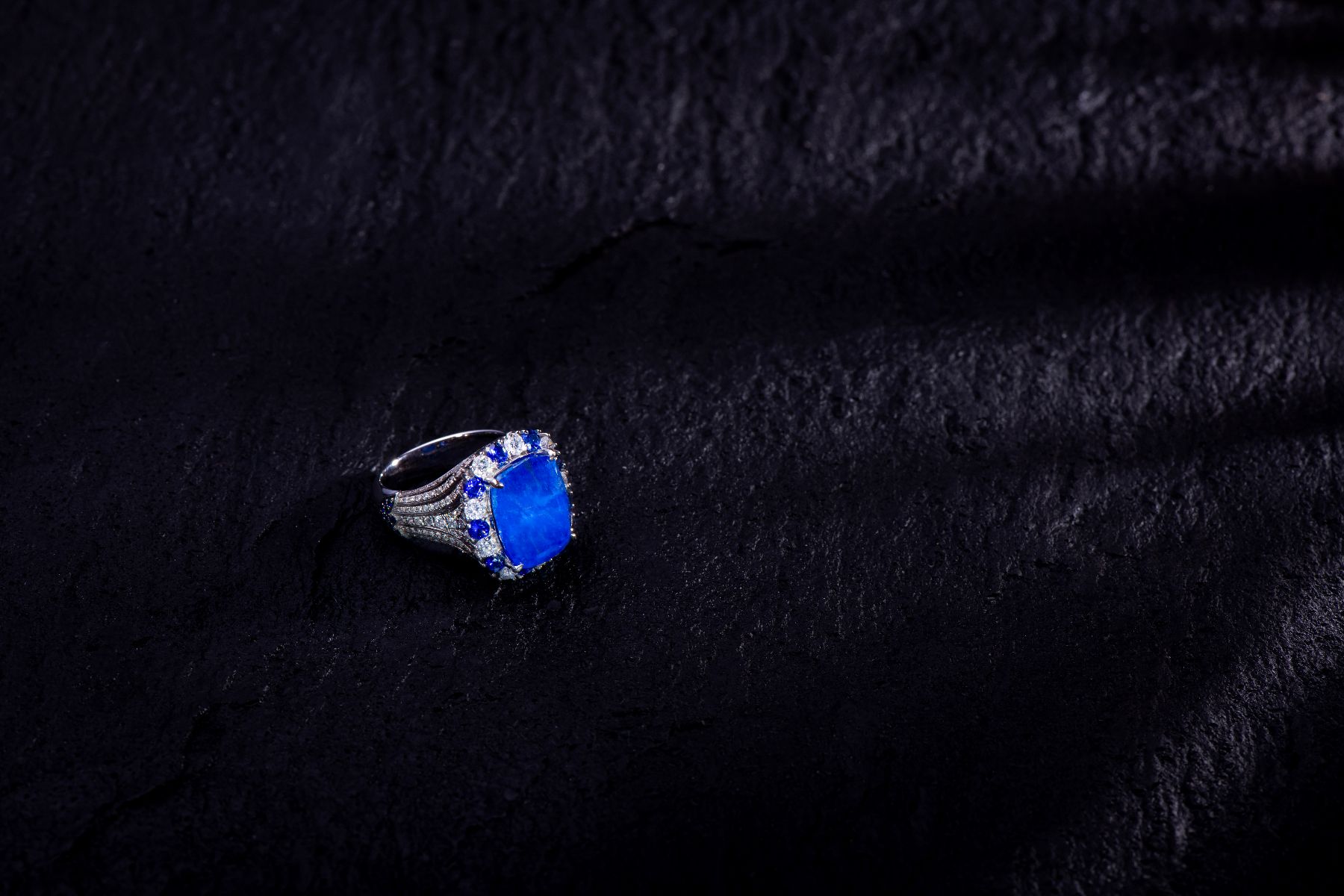
JUSTLEE|natural unheated Sri Lanka Cornflower Blue Sapphire ring
Sapphire Provenance: Kashmir, Burma, Sri Lanka, and Madagascar
Origin serves as a crucial benchmark for valuing sapphires, as the unique geological conditions of each mining area directly influence the gemstone's chemical composition, internal inclusions, and color expression. In today's collector's market, attention is primarily focused on the following origins:
| Origin | Characteristic Hues | Principal Coloring Element | Market Position |
|---|---|---|---|
| Kashmir | Saturated yet soft blue (Royal Blue, renowned for its velvety texture) | Iron, Titanium | The most highly esteemed and rarest classic origin. Major production was concentrated in a brief period in the late 19th century, making it exceptionally valuable and highly recognized in the auction market (e.g., notable 2025 auction sales). |
| Myanmar (Burma) | Highly saturated, deep blue with a slight violet hue | Iron, Titanium | Renowned for its intensely saturated, rich blue with subtle violet undertones; a key classic origin for the high-end market. |
| Sri Lanka | Bright tone and high transparency | Iron, Titanium | A historically rich alluvial deposit area known for vivid clarity and as a primary source for large-carat sapphires. |
| Madagascar | Diverse (shares similar visual features with classic origins) | Iron, Titanium (proportions require laboratory analysis for determination) | An important contemporary origin; relies heavily on international gemological laboratories for detailed trace element (Fe, Ti, Ga) and inclusion analysis to establish origin determination. |
Take the public auction record as an example: on September 19, 2025, at the Sotheby’s Hong Kong Fine Jewels auction (Lot 1411), a ring set with a 12.56-carat natural unheated Kashmir Royal Blue sapphire was sold for HKD 18,700,000, falling within the estimate of HKD 14,500,000 to 20,000,000.
Source: Sotheby’s | 12.56-Carat Natural "Kashmir Royal Blue" Unheated Sapphire and Diamond Ring
Origin determination is not based on visual experience alone; international gemological laboratories make conclusions by observing inclusions, performing spectroscopic analysis, and measuring the proportions of trace elements such as iron, titanium, and gallium to compare against reference specimen databases. For collectors, origin itself carries no absolute hierarchy, yet it remains essential information for understanding the causes behind a sapphire's color and its market positioning.
Read more: What Is a Kashmir Sapphire? Velvety Glow, Unheated Rarity, and How to Read the Certification
Why Unheated Status Forms the Core of Sapphire Curation
Among all evaluation parameters, treatment status exerts a fundamental impact on collector value
Laboratories employ Fourier-Transform Infrared Spectroscopy (FTIR) and microscopic analysis to inspect internal inclusions for thermal alterations
Read more:What Is a Kashmir Sapphire? Velvety Glow, Unheated Rarity, and How to Read the Certification
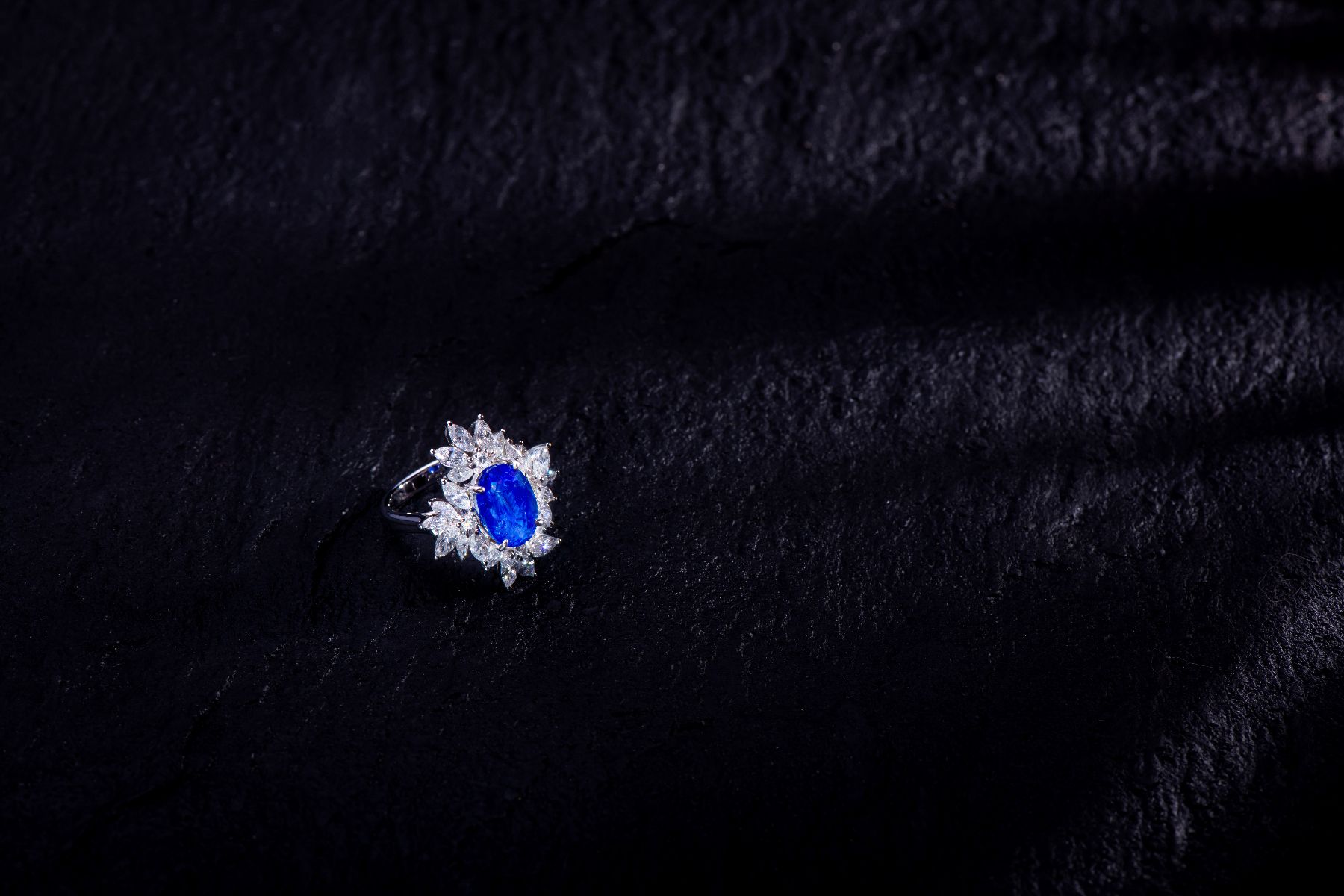
JUSTLEE|natural unheated Sri Lanka Royal Blue Sapphire ring
Sapphire Certification: Recognizing Trusted International Laboratories
Collector-grade sapphires rely on verifiable third-party authentication
When reviewing a laboratory report, each field serves a distinct analytical function
Identification: Establishes the formal mineralogical classification of the gemstone
Color: Records the primary color description
Comment: Records treatment status, such as "No indications of heating", signifying no evidence of thermal treatment was detected
For top-tier auction-grade specimens, industry practice favors holding concurrent reports from two independent premier laboratories to establish cross-institutional verification
Read more:Fifty Years of Curation: The Four Standards JUSTLEE Has Never Compromised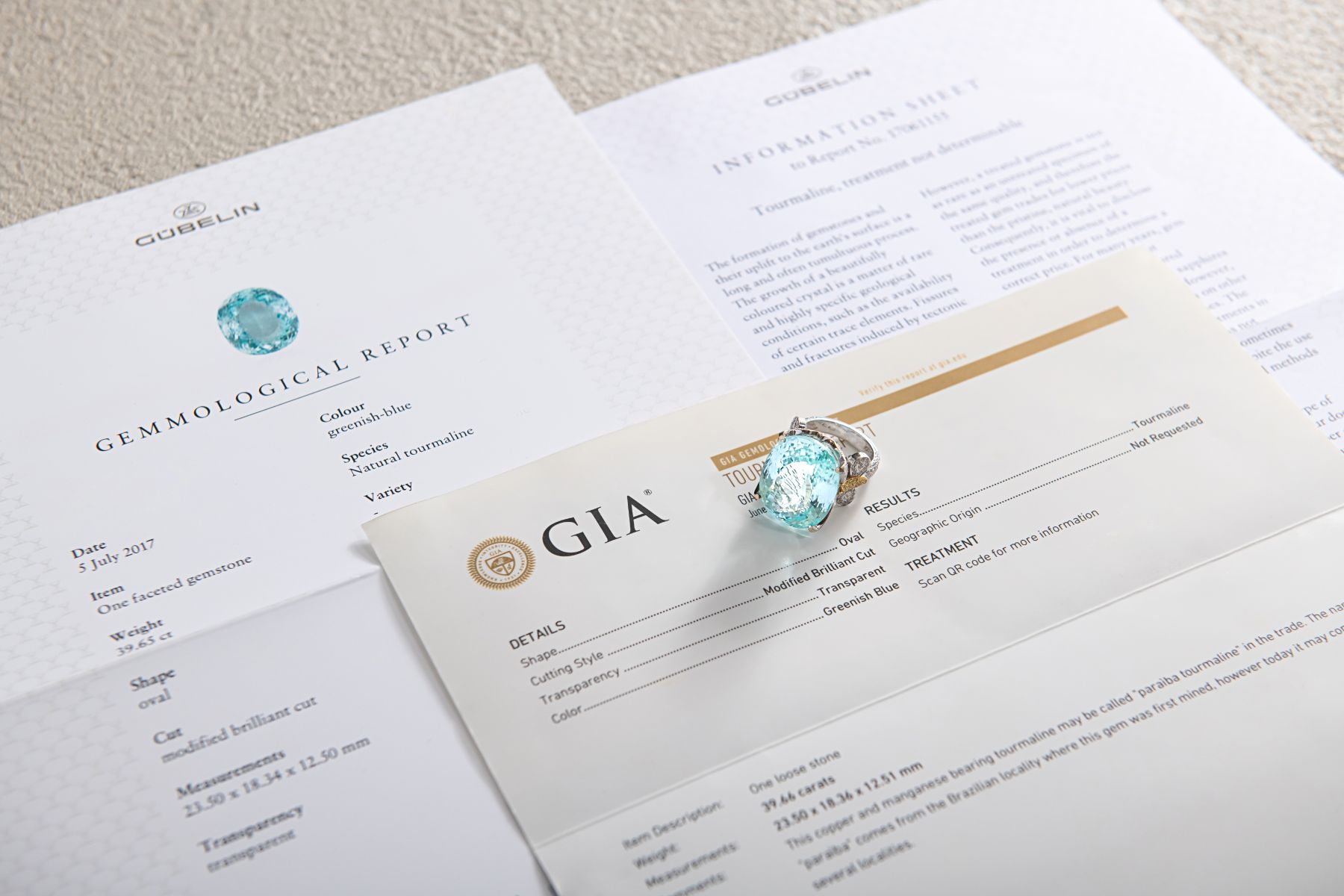
Other Expressions of Sapphire: Star, Fancy, and Padparadscha
The color palette of the corundum species extends far beyond blue
When oriented rutile needle inclusions produce a six-rayed star across a cabochon cut surface, the stone is classified as a Star Sapphire
What Collectors Truly Need to Understand
The value of a top-tier sapphire stems from a rare combination of four simultaneous conditions: exceptional color grading, verifiable provenance, natural unheated status, and significant carat weight
To explore sapphire selection and certification details further, you are invited to schedule a private consultation with a JUSTLEE advisor
This article was compiled by the JUSTLEE Advisory Team based on official documentation from leading international gemological laboratories including GRS, GIA, and Gübelin, alongside official auction records
Frequently Asked Questions
Q:Are sapphires exclusively blue?
A:Sapphire is the collective designation for all gem-quality corundum varieties excluding red
Q:Why is unheated status critical to collector value?
A:Heat treatment is widely used in the gem trade to artificially alter color saturation and clarity as a traditional enhancement
Q:How do Royal Blue and Cornflower Blue differ?
A:Royal Blue and Cornflower Blue represent separate color classifications defined by tone intensity and saturation
Q:What is the velvety texture observed in Kashmir sapphires?
A:Velvety texture is an optical phenomenon rather than a color grade
Q:Why do auction-grade sapphires often hold reports from multiple laboratories?
A:Independent evaluations from distinct authoritative laboratories provide mutual validation and minimize single-source interpretation bias
Q:What is the relationship between "Burma" on a lab report and Mogok?
A:Mogok is the most famous gem-producing region within Burma (Myanmar)
 Facebook
 Instagram
 Line